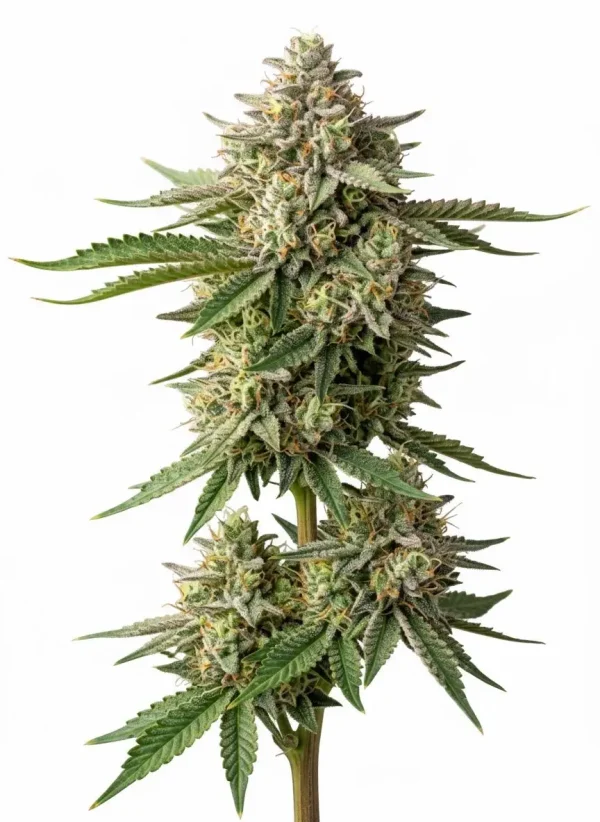
Balanced hybrid
Cereal Milk Feminized Seeds
Indica 50%Sativa 50%
- Flowering
- 8-10 wks
- Yield
- 1.5-1.6 oz/ft²
- Grow level
- Moderate
- Creative
- Euphoric
- Relaxed
From$655-seed pack
Choose pack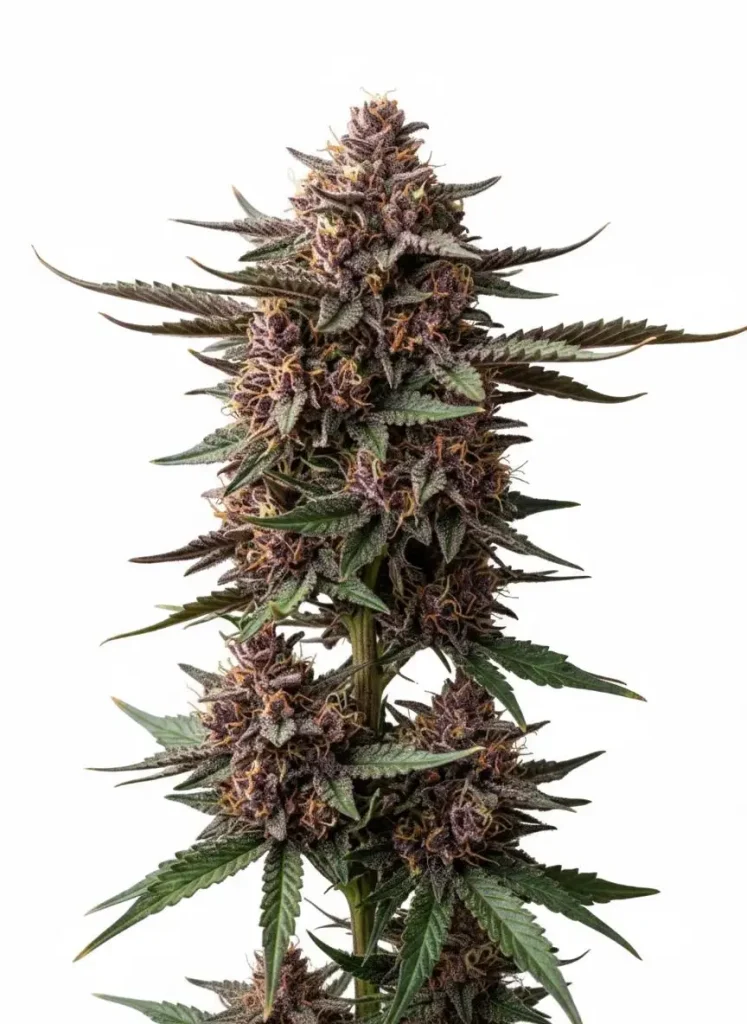
From $65.00
Grape candy, violet buds and a famously sleepy finish. Granddaddy Purple crosses Purple Urkle with Big Bud for a sturdy, high-yielding indica that finishes in 8-10 weeks.
In stock. Order before 1pm CT and it ships today.
Granddaddy Purple was first bred in California in the early 2000s and quickly became the purple strain people pictured when they heard the word. It crosses Purple Urkle, a Northern California grape-flavored favorite with natural color and a calm, heavy feel, with Big Bud, a line famous for size, density and productivity.
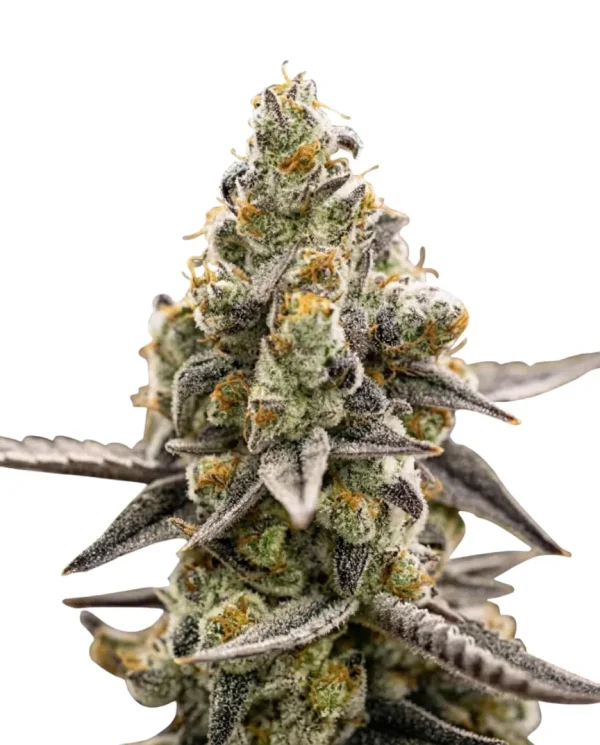
That pairing balanced looks and output in a way few strains had managed. Purple Urkle supplies the violet pigment and candy-grape sweetness, while Big Bud adds the oversized, tightly packed flowers and the stout frame. The plants grow short and broad-leafed, and the buds turn deep purple beneath a bright layer of frost, a contrast that has kept GDP a favorite subject for photos for two decades.
Its influence runs deep. GDP is a parent of Cherry Pie and sits in the family tree of many newer fruit and purple strains. Phenotypes are known for being uniform, and these feminized seeds are bred so each plant grows as a flowering female.
Consumers commonly describe a dreamy, unhurried euphoria that gives way to deep physical relaxation, a strong appetite and, eventually, sleep. It is widely seen as a nighttime strain, with effects lasting two to four hours.
A soft, smiling headspace with no rush or racing edge.
Heavy relaxation spreads through the body; snacks start to call.
Many people report drifting off well before the effect fades.
Reported THC of 17-23% still calls for a measured first dose, and it is best kept for evenings with nothing left on the schedule. Dry mouth, dry eyes and grogginess the next morning are commonly reported. General reports, not medical guidance.
Grape soda and mixed berries lead, with a sugary, candy-like sweetness and a faint piney, earthy edge underneath. The smell is sweet rather than skunky but still strong in late bloom, so a carbon filter is worth running.
Anchors the heavy body feel and the dark-fruit base.
PinenePine, fresh herbAdds the subtle forest note beneath the grape.
CaryophyllenePepper, spiceGives a light, warm spice on the exhale.
LinaloolLavender, floralSoftens the finish with a gentle floral sweetness.
A slow dry at about 60°F and 60% RH, followed by a cure of at least three weeks, keeps the grape candy aroma bright instead of grassy.
Rated moderate, though many growers find it one of the more forgiving classics. The plant is sturdy and uniform; the main job is keeping air moving through its oversized buds late in flower.
GDP is short and stocky, usually 3 to 4 feet indoors, which makes it a natural fit for small tents and low ceilings. Rated moderate, it tolerates small mistakes better than most modern hybrids. What it does not tolerate is stagnant, humid air around its fat, heavy buds.
Run roughly 600-750 PPFD in late veg and 700-900 PPFD in flower under LED. Because the plant stays compact and stretches little, it suits a sea of green setup with several small plants, or a single topping followed by light LST. The buds get heavy, so add stakes or a trellis net before week four of flower.
Moderate feeding works best. The Big Bud side drinks steadily in bloom, but too much nitrogen late keeps the leaves dark and slows the color change. A balanced bloom feed plus cal-mag under LED covers most needs.
Most phenotypes finish 8 to 10 weeks after the flip. Watch the trichomes: a higher share of amber heads leans into the heavy, sleepy finish GDP is famous for.
A typical indoor schedule. Run a short veg for SOG or a longer one for bigger plants; bloom length is set by the genetics.
Paper towel or plug, 75-80°F
Mild light, 65-70% RH
Top once or flip early for SOG
8-10 weeks; stake by week 4
Slow dry, three-week jar cure
Outdoors, Granddaddy Purple grows into a broad, bushy 4 to 6 foot plant and is usually ready in early October, a little ahead of many hybrids. That earlier finish is a real advantage in northern states where the weather turns quickly. Plant out after your last frost once nights stay above about 50°F, and give it the sunniest spot you have.
Healthy plants in full sun can produce roughly 18 to 25 ounces each, but those big, dense buds are exactly what late rain targets. Strip interior leaves for airflow, space plants generously and keep a cover handy for storms in the final weeks. Cool September nights do the coloring for you. Our outdoor planting guide lists dates for each USDA zone.
Check your state’s rules before you plant. Home cultivation is legal for adults in some states and not in others, and plant limits vary. See marijuana laws by state.
Its home climate: dry autumns and cool nights give big, clean, purple buds.
An early October finish beats most frosts, and dry air keeps colas healthy.
The early finish helps you harvest ahead of cold, wet late-October weather.
Short seasons suit its timing, though humid spells call for careful pruning.
Heat is fine, but muggy fall air and storms threaten its dense buds.
Granddaddy Purple is an indica-leaning strain, usually described as about 90% indica. It grows short and broad-leafed, and its effects center on heavy body relaxation and sleepiness.
Our supplier reports THC of 17-23%. That is moderate by today's standards but still strong for occasional consumers, and results vary with phenotype, conditions and harvest timing.
Indoors, most plants finish 8 to 10 weeks after switching to 12/12. Outdoors in the US, harvest typically comes in early October.
Indoors, expect roughly 1.3 to 1.6 ounces per square foot with a good setup. Outdoors, plants in full sun can produce about 18 to 25 ounces each, which is where the Big Bud side really shows.
It is rated moderate, but its sturdy, uniform growth makes it one of the friendlier classics for a newer grower. The main thing to learn is keeping humidity down and air moving around its dense buds.
Grape and mixed berry lead, with a candy-like sweetness and a light pine and earth note underneath. Myrcene, pinene, caryophyllene and linalool are commonly reported in its profile.
Dry regions with cool fall nights, like inland California, the Southwest and the Colorado Front Range, suit it best. Its early October finish also makes it a solid pick for the Midwest and Northeast.
The color comes from its genetics, but cool nights bring it out. Letting night temperatures fall into the low to mid 60s °F in the last two to three weeks of flower usually deepens the violet without affecting potency.
Only logged in customers who have purchased this product may leave a review.
Balanced hybrid
From$655-seed pack
Choose packIndica-dominant hybrid
From$655-seed pack
Choose packBalanced hybrid
From$655-seed pack
Choose packIndica-dominant hybrid
From$655-seed pack
Choose packYou must be 21+ to enter Best Marijuana Seeds. Please confirm your age.
By entering you agree to our Terms and Privacy Policy.
Reviews
There are no reviews yet.