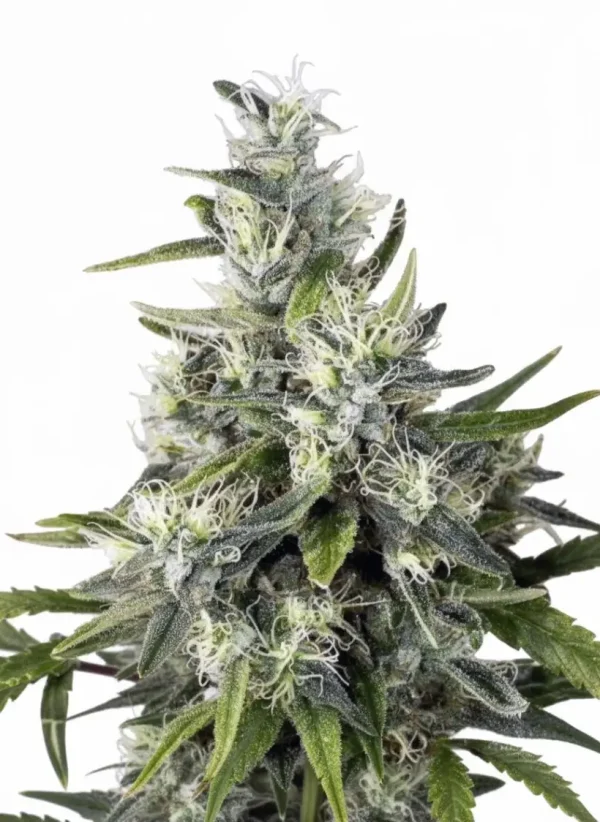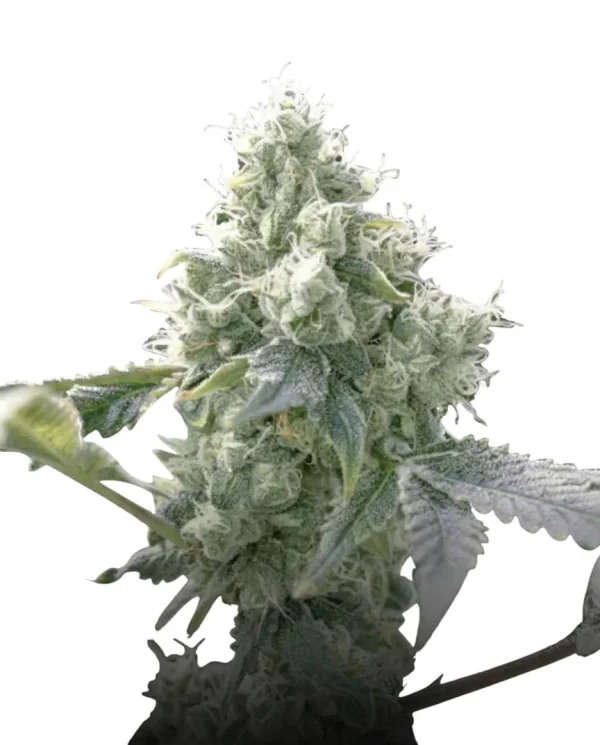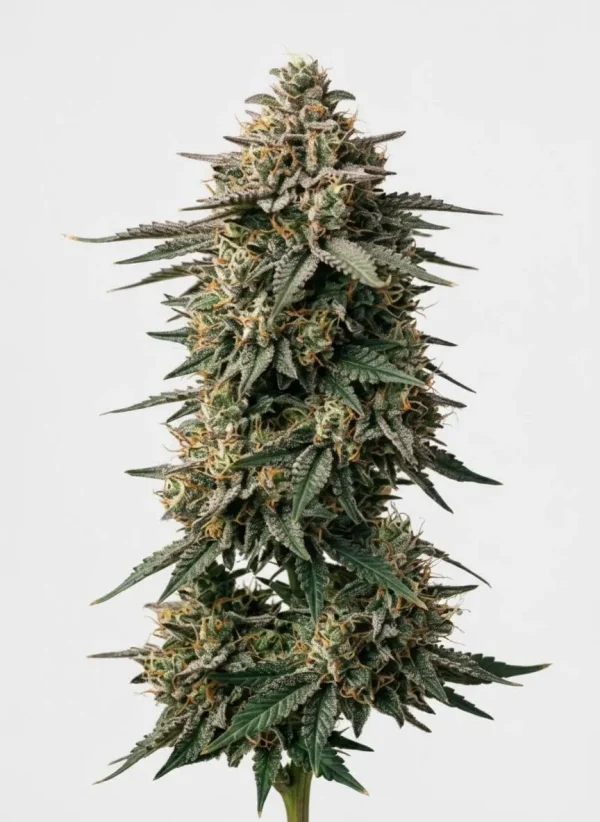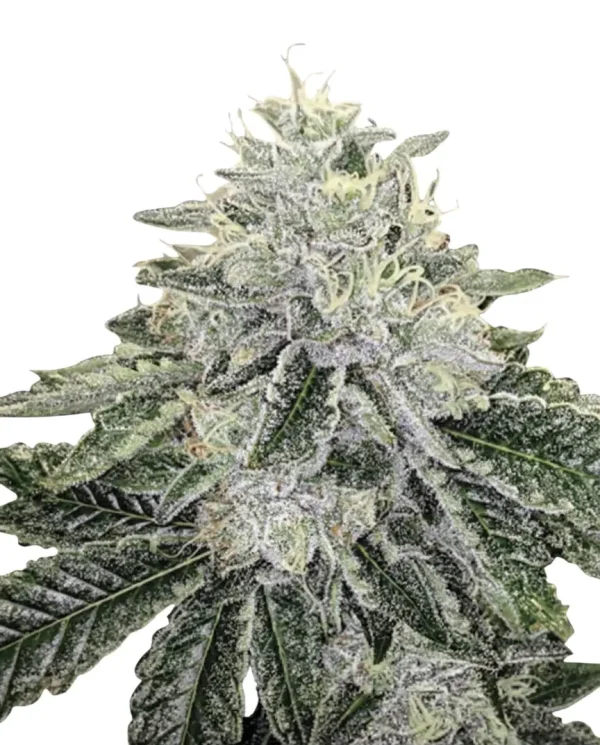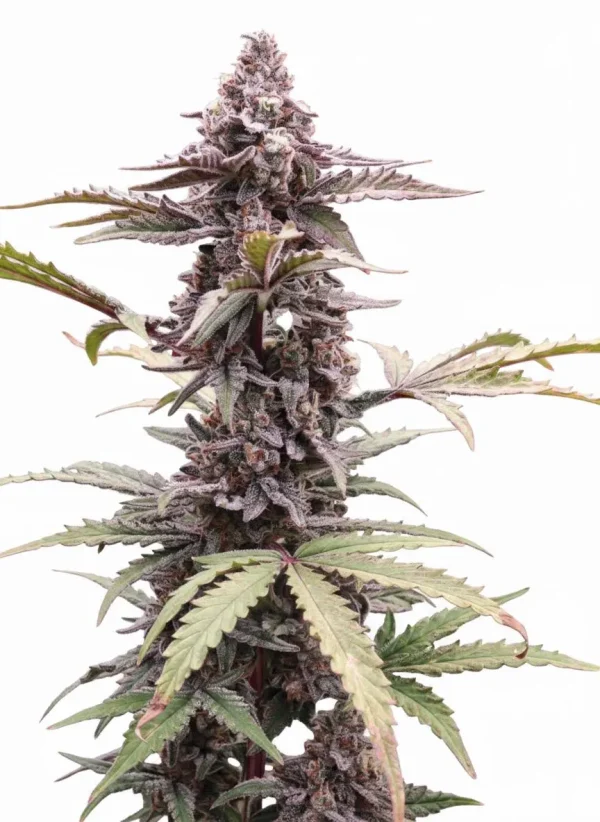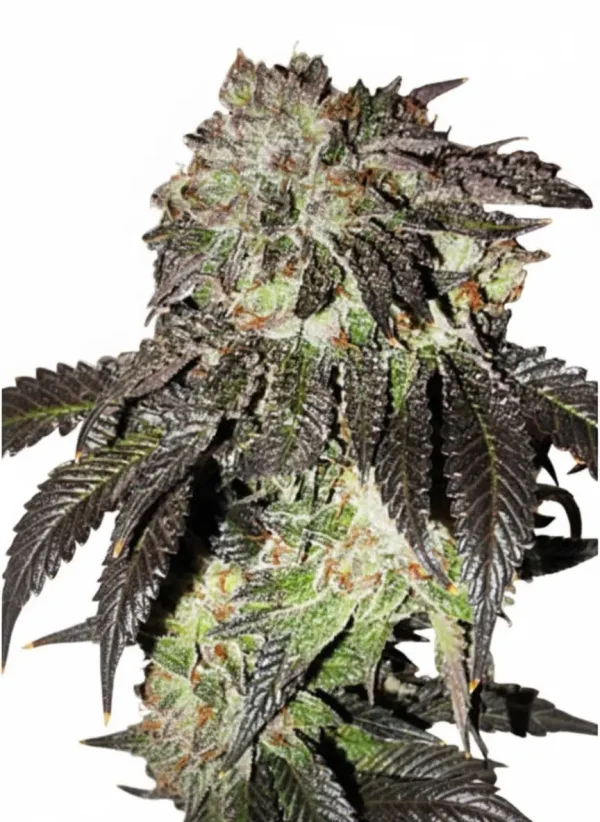
Sativa-leaning
Acapulco Gold Feminized Seeds
Indica 10%Sativa 90%
- Flowering
- 8-9 wks
- Yield
- 1.5-1.8 oz/ft²
- Grow level
- Moderate
- Creative
- Energetic
- Happy
From$655-seed pack
Choose packOutdoor seeds are strains that handle real weather: cool nights, summer heat, humidity and fall rain. Matched to your climate, a single large plant in full sun can out-yield a small indoor tent. Use our state pages to check local rules and climate, then choose strains that finish before your season ends. Orders ship discreetly with tracking, free over $200, backed by our germination guarantee.
Showing 1–12 of 62 results
Sativa-leaning
From$655-seed pack
Choose packBalanced hybrid
From$655-seed pack
Choose packSativa-dominant hybrid
From$655-seed pack
Choose packIndica-dominant hybrid
From$655-seed pack
Choose packBalanced hybrid
From$655-seed pack
Choose packIndica-dominant hybrid
From$655-seed pack
Choose packSativa-dominant hybrid
From$655-seed pack
Choose packBalanced hybrid
From$655-seed pack
Choose packIndica-dominant hybrid
From$655-seed pack
Choose packSativa-dominant hybrid
From$655-seed pack
Choose packIndica-dominant hybrid
From$655-seed pack
Choose packIndica-dominant hybrid
From$655-seed pack
Choose packOutdoor plants live with whatever the weather brings. Four traits decide how they do:
Climate guidance only. Check your state's home-grow rules before you plant.
| Climate | Region examples | What to plant | Typical harvest |
|---|---|---|---|
| Short, cool season | Northern Plains, northern New England | Autoflowers, fast flowering indicas | Late August to late September |
| Wet autumn | Pacific Northwest, Great Lakes | Mold-resistant, early-finishing hybrids | Mid to late September |
| Hot and humid | Gulf Coast, Southeast | Airy, mold-resistant sativa-leaning hybrids | October to November |
| Hot and dry | Desert Southwest | Heat-tolerant hybrids and sativas | October |
| Long and mild | Coastal California, mid-Atlantic | Full-size photoperiods of most types | Late September to October |
Plant photoperiod seedlings outdoors after your last spring frost, once nights stay above about 50°F (10°C). That ranges from March in the Deep South to early June in the North. Autoflowers can go out any time during the warm season, as long as they have 10 to 12 frost-free weeks ahead.
A healthy photoperiod plant in full sun commonly yields about 4 to 32 ounces (113-907 g) of dry bud, depending on genetics, container size and season length. Outdoor autoflowers usually produce 1 to 4 ounces (28-113 g). Our yield calculator gives a range based on plant size.
Look for autoflowers or photoperiod strains that flower in 7 to 8 weeks. Indica-leaning genetics usually finish earliest, often by mid to late September. Avoid long-flowering sativas, which may not finish before the first frost in northern states.
Partly. Zones are based on average winter low temperatures, which matter little for an annual plant like cannabis. More useful are your frost-free days, summer heat and fall humidity. Zones are still a handy shorthand for season length, so use them as a starting point.
Choose mold-resistant strains, space plants for airflow and remove inner leaves that trap moisture. Shake water off plants after rain and inspect dense colas often in the final weeks. If you see gray fuzz or brown spots inside a bud, cut it out well below the damage right away.
Find your state for local rules and climate notes, then pick outdoor strains that finish before your season ends.
You must be 21+ to enter Best Marijuana Seeds. Please confirm your age.
By entering you agree to our Terms and Privacy Policy.