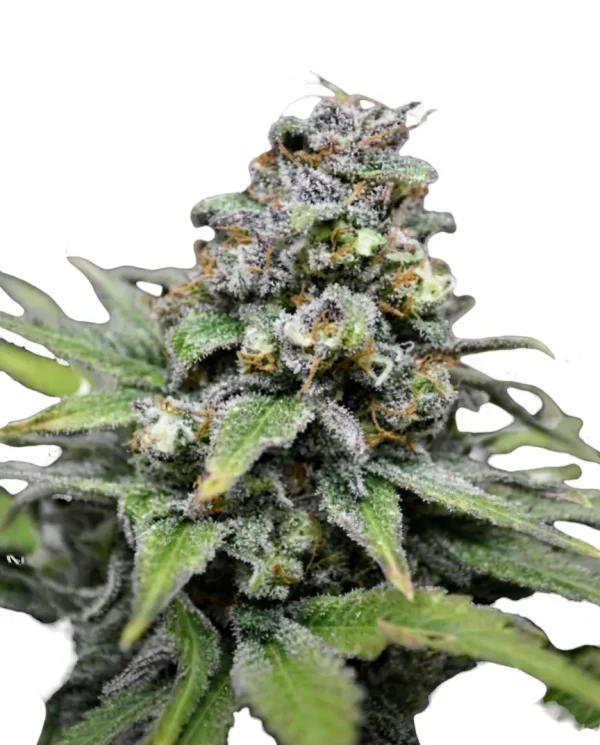
Indica-dominant hybrid, high-CBD line
CBD Critical Mass Feminized Seeds
Indica 80%Sativa 20%
- Flowering
- 7-8 wks
- Yield
- 1.6-2 oz/ft²
- Grow level
- Moderate
- Calm
- Clear-headed
- Focused
From$655-seed pack
Choose pack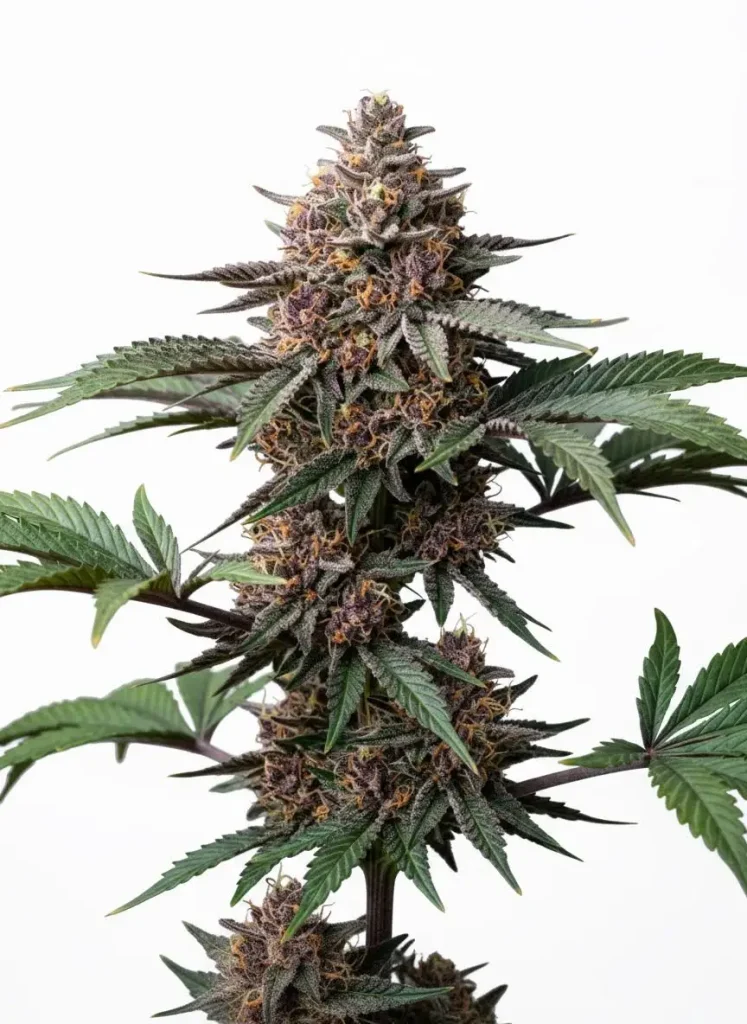
From $65.00
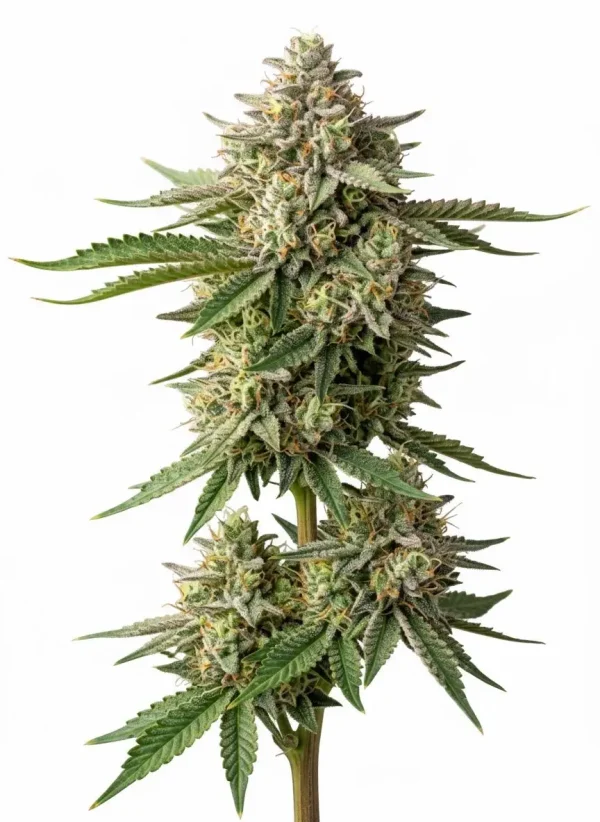
Grape soda in a jar. A roughly 90% indica built on Mendocino Purps, Skunk and Afghani that turns deep violet and finishes in 8-9 weeks.
In stock. Order before 1pm CT and it ships today.
Grape Ape is a purple indica with roots in Northern California. Its signature color and fruit come from Mendocino Purps, a violet-hued line from the Emerald Triangle that has been prized for its berry sweetness for decades. It belongs to an older generation of strains that built their reputation through word of mouth, long before hype cycles and menu drops.
Each parent has a job. Mendocino Purps supplies the grape flavor and saturated purple tones. Skunk adds hybrid vigor and a dependable, upright structure. Afghani anchors the mix with fat, resin-heavy buds and a calm, body-first character. Together they make a short, broad-leafed plant that is easy to read and hard to mistake.
Grape Ape has also left a mark on the strains that followed. Its grape-candy profile fed into later fruit crosses, and its genetics sit somewhere in the family tree of several modern candy-flavored favorites. These feminized seeds are bred to produce female plants, so each seed you start is headed for flower.
Consumers commonly describe Grape Ape as slow and gentle: a sweet, smiling mood first, then deep, heavy relaxation that carries into a drowsy evening. Effects usually last two to three hours.
A soft, contented calm rather than a racing head high.
Shoulders drop and the couch starts to look like the best seat in the house.
Many people report an easy slide toward sleep at the end of the session.
Best saved for evenings. Commonly reported downsides include dry mouth, dry eyes and grogginess, and at high doses some people report dizziness or anxiety. General reports, not medical guidance.
Open a jar and the first hit is grape candy and ripe berries, followed by a faint pine freshness and a skunky, hashy undertone from the Afghani and Skunk side. The smoke is smooth and sweet.
Gives the jammy, heavy depth behind the grape.
PinenePine, fresh herbsAdds a clean, cooling lift over the sweetness.
CaryophyllenePepper, spiceSupplies the light skunky, hashy edge on the exhale.
Grape aromas are delicate. Dry for 10-14 days at about 60°F and 60% humidity, and burp jars daily for the first week of the cure to keep the candy note bright.
Rated moderate. The plant is hardy and uniform; the skill lies in airflow around dense buds and in using cool nights to bring out the color.
Grape Ape grows like a classic indica: short internodes, broad leaves and a bushy frame that stays around 3 to 4 feet indoors. Its Afghani and Skunk background makes it tolerant of cooler rooms and small swings in temperature that can trouble more delicate modern hybrids.
Because it stays compact, Grape Ape benefits from opening up. Top once at the fourth or fifth node, then spread the branches with LST or a SCROG net. Strip the small, shaded growth from the bottom third of the plant before week three of flower so energy goes to the top buds.
Dense, chunky flowers are the main risk. Run oscillating fans above and below the canopy and keep the exhaust moving. Feed at moderate strength and taper nitrogen once buds start forming; indica-heavy plants often show tip burn if pushed too hard.
Most plants finish 8 to 9 weeks after the switch to 12/12. Watch the trichomes: a cloudy majority with a touch of amber suits this strain’s relaxed, body-heavy reputation.
A typical indoor run. Veg time is your call; the 8-9 week flower is set by the genetics.
Paper towel at 75-80°F
Low light, 65-70% RH
Top once, spread with LST
8-9 weeks, cooler nights late
60°F, 60% RH, burp jars
Outdoors, Grape Ape reaches about 5 to 6 feet and usually finishes in early October. Set plants out after your last spring frost once nights hold above roughly 50°F, and give them as much direct sun as your yard allows.
This is a strain that actually likes a cool finish. Crisp autumn nights in the 50s °F bring out the purple, and its hardy Afghani side handles them without stalling. What it does not like is wet weather on ripe buds. In rainy or humid areas, prune the lower branches for airflow, stake the heavy tops, and be ready to harvest a few days early if a long wet stretch is in the forecast. Our outdoor planting guide has timing for each USDA zone.
Check your local rules before planting. Home cultivation is legal for adults in some states and not in others, and plant limits differ. See marijuana laws by state.
Dry autumns and cool desert nights ripen dense buds and deepen the color.
Cool nights suit it; plant on time so it finishes before an early frost.
An early October finish usually beats the cold, but watch fall rain.
Humid late summers raise mold risk in its tight, chunky buds.
Muggy heat and warm nights invite bud rot and mute the purple.
Grape Ape is heavily indica, usually described as about 90% indica. It grows short and broad-leafed, and its effects are calm and body-focused.
Our supplier reports THC around 18-21%. That is moderate by today's standards and part of the appeal: the effect is deep and relaxing without being overwhelming for most experienced consumers.
Most plants finish 8 to 9 weeks after switching to 12/12 indoors. Outdoors in the US, harvest typically lands in early October.
Indoors, expect about 1.3 to 1.6 ounces per square foot with strong light and good training. Outdoors, a healthy plant in full sun can produce around 18 to 21 ounces.
It is rated moderate. The plants are hardy and uniform, but the dense buds need steady airflow and controlled late-flower humidity to stay mold-free.
Grape candy and sweet berries lead, with a light pine freshness and a skunky, hashy undertone. Myrcene, pinene and caryophyllene are the terpenes most commonly reported.
Dry regions with cool autumn nights, such as inland California, the Southwest and the Mountain West, finish it best and bring out the strongest color. Humid Southeast and Gulf Coast summers are a poor match outdoors.
Color is mostly genetic, but cooler nights help it show. Indoors, let night temperatures drop about 10°F below daytime in the last two weeks of flower; outdoors, cool October nights often do the job for you.
Only logged in customers who have purchased this product may leave a review.
Indica-dominant hybrid, high-CBD line
From$655-seed pack
Choose packSativa-dominant hybrid
From$655-seed pack
Choose packIndica-dominant hybrid
From$655-seed pack
Choose packBalanced hybrid
From$655-seed pack
Choose packYou must be 21+ to enter Best Marijuana Seeds. Please confirm your age.
By entering you agree to our Terms and Privacy Policy.
Reviews
There are no reviews yet.