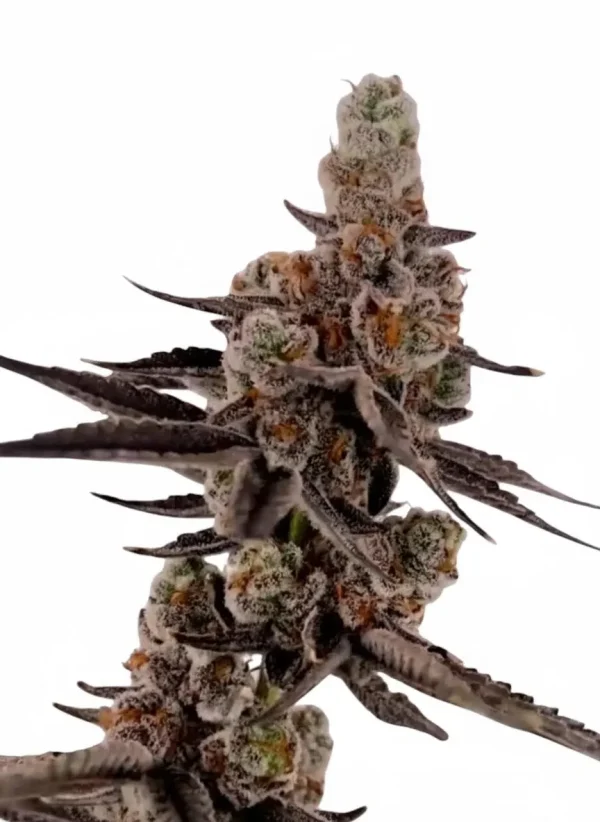
Indica-dominant hybrid
Glitter Bomb Feminized Seeds
- Flowering
- 8-9 wks
- Yield
- 1.5-1.8 oz/ft²
- Grow level
- Moderate
- Euphoric
- Happy
- Relaxed
From$655-seed pack
Choose pack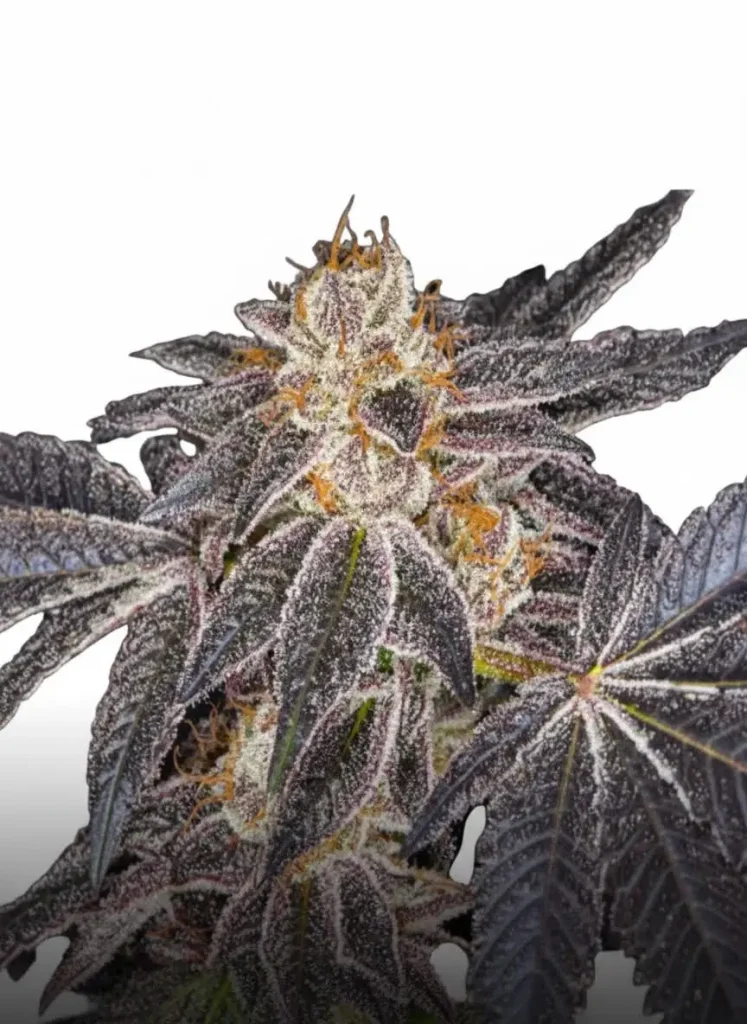
From $65.00
Tart cherries baked into sweet pastry. An easy, indica-dominant classic from Granddaddy Purple and Durban Poison that flowers in 8-9 weeks.
In stock. Order before 1pm CT and it ships today.
Cherry Pie is a California classic that has stayed on menus for well over a decade. It marries Granddaddy Purple, the dense purple indica from the Bay Area, with Durban Poison, the bright, sweet landrace sativa from South Africa. The result is an indica-leaning plant with more sparkle than most purple strains.
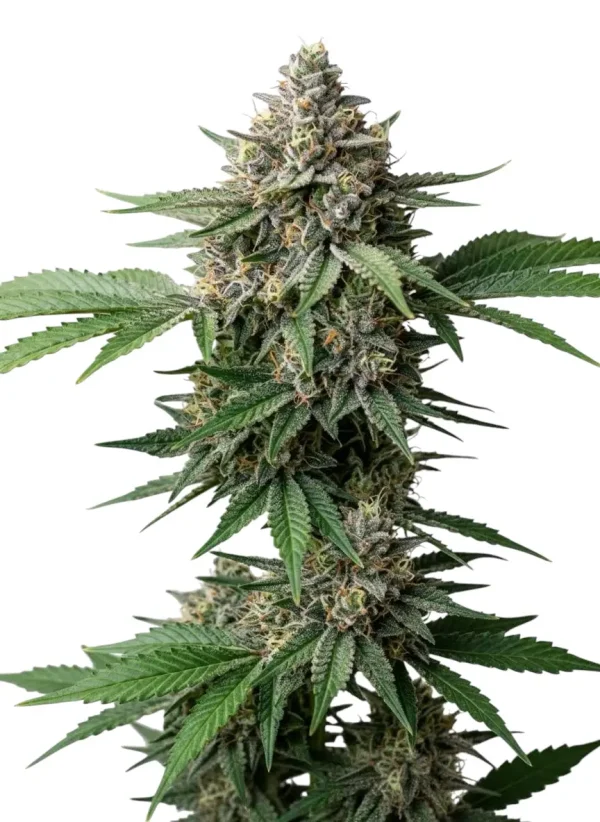
Granddaddy Purple shapes the plant: medium height, strong branches and round, chunky buds that blush purple when nights cool down. Durban Poison lightens the high and adds the tart, almost sour edge that keeps the cherry flavor from tasting flat. Under the frost you will usually see deep green calyxes flushed with violet and bright orange pistils.
Its influence runs deep. Because Durban Poison is also a parent of Girl Scout Cookies, Cherry Pie sits close to the base of the cookie and dessert family, and it later fed into crosses that helped shape today’s sweet, creamy top-shelf strains. These feminized seeds are bred to produce female plants, so each one is grown for buds.
Consumers commonly describe a bright, talkative opening from the Durban side, then a warm, relaxed body feel from Granddaddy Purple. Most reports put the full arc at two to three hours.
A clear, cheerful headspace that many people find chatty and imaginative.
Body relaxation rolls in gently while the mood stays happy.
A mellow, settled close to the session without heavy couch lock.
Reported THC of 18-24% is still strong for occasional consumers, so start low. Dry mouth and red, dry eyes are commonly reported, and higher doses can bring on anxious feelings in some people. General reports, not medical guidance.
Ripe black cherry and sugar on top, a tart, slightly sour twist from the sativa side and a warm, doughy crust note on the exhale. It is fragrant rather than skunky, but still worth a carbon filter.
Gives the jammy cherry depth and the relaxed body side.
CaryophyllenePepper, warm spiceAdds the baked, spiced-crust quality to the finish.
PinenePine, fresh herbsSharpens the tart top notes and keeps the head clear.
Trim lightly, dry slowly at about 60°F and 60% humidity for 10-14 days and cure in jars for at least three weeks. The tart cherry note is one of the first things a rushed dry will flatten.
Rated easy. Cherry Pie grows evenly, stays manageable and tolerates small mistakes, which makes it a solid first indoor grow.
Cherry Pie usually reaches 3 to 5 feet indoors and fits well in a 3×3 or 4×4 ft tent. Rated easy, it is a good match for a first grow: it roots quickly, branches evenly and recovers well from minor feeding or watering slips.
Give it about 500-700 PPFD in veg and 700-900 PPFD in flower. A single topping plus a few tie-downs is enough for an even canopy. For more plants in less time, it also suits a sea of green setup with short veg and many small plants. Clear small growth from the bottom of each branch to keep air moving.
Go light to moderate. Indica-leaning plants like this one tend to show leaf-tip burn when pushed, so raise strength slowly and watch the fan leaves for signs of excess.
Expect a finish 8 to 9 weeks into flower. Check trichomes rather than the calendar: mostly milky heads keep the Durban brightness, and a share of amber pushes the effect toward deeper relaxation.
A standard indoor run with a five-week veg. Shorten veg for a sea of green; flowering length stays the same.
Paper towel or plug, 75-80°F
Soft light, high humidity
Top once, tie down branches
8-9 weeks after 12/12
Slow dry, three-week cure
Cherry Pie handles outdoor life well when it gets full sun and a warm summer. Plants usually reach 5 to 7 feet and come down around mid October. Wait until after your last spring frost and until nights stay above about 50°F before moving plants outside.
The buds are dense but rounded rather than foxtailed, so the main outdoor concerns are powdery mildew in humid late summers and mold during autumn rain. Give each plant room, thin interior leaves and keep a tarp or hoop cover ready for wet weeks. Cool October nights are an advantage here, often adding purple color right before harvest. See our outdoor planting guide for timing in your zone.
Laws on growing at home vary widely between states, including how many plants are allowed. Read marijuana laws by state before you start.
Long sunny seasons and dry falls give it time to ripen and color up.
Cool, dry nights help the purple show; plan around early frost at elevation.
Hot summers drive strong growth if you harvest ahead of late-October rain.
Humidity in August and September raises mildew pressure, so prune for airflow.
Plenty of heat, but sticky fall air calls for wide spacing and constant airflow.
Cherry Pie is an indica-dominant hybrid. Granddaddy Purple gives it a compact build and relaxed finish, while Durban Poison adds an upbeat, creative opening.
Our supplier reports THC of 18-24%. That is strong enough for experienced consumers while staying a bit more approachable than many modern 30% strains, though results vary with phenotype and harvest timing.
Indoors, expect 8 to 9 weeks from the switch to 12/12. Outdoors in the US, plants are usually ready around mid October.
Indoors, a healthy run can produce around 1.3 to 1.6 ounces per square foot. Outdoors, plants in full sun can produce roughly 16 to 19 ounces each.
Yes. It is rated easy, grows evenly and bounces back from small errors, which makes it one of the better choices for a first indoor grow.
Sweet black cherry with a tart, slightly sour edge and a warm, doughy pastry finish. Myrcene, caryophyllene and pinene are the terpenes most often linked to the profile.
Inland California and the Southwest suit it best, with Colorado and the Midwest close behind. In the humid Northeast and Southeast it still finishes, but needs good spacing and airflow to avoid mildew.
Both strains descend from Durban Poison, which makes them close relatives. That shared ancestry puts Cherry Pie near the root of the cookie and dessert family that dominates many shelves today.
Only logged in customers who have purchased this product may leave a review.
Indica-dominant hybrid
From$655-seed pack
Choose packIndica-dominant hybrid
From$655-seed pack
Choose packSativa-dominant hybrid
From$655-seed pack
Choose packSativa-dominant hybrid
From$655-seed pack
Choose packYou must be 21+ to enter Best Marijuana Seeds. Please confirm your age.
By entering you agree to our Terms and Privacy Policy.
Reviews
There are no reviews yet.