Sativa-dominant hybrid
Gelonade Feminized Seeds
- Flowering
- 9-10 wks
- Yield
- 1.5-1.8 oz/ft²
- Grow level
- Moderate
- Energetic
- Focused
- Happy
From$655-seed pack
Choose pack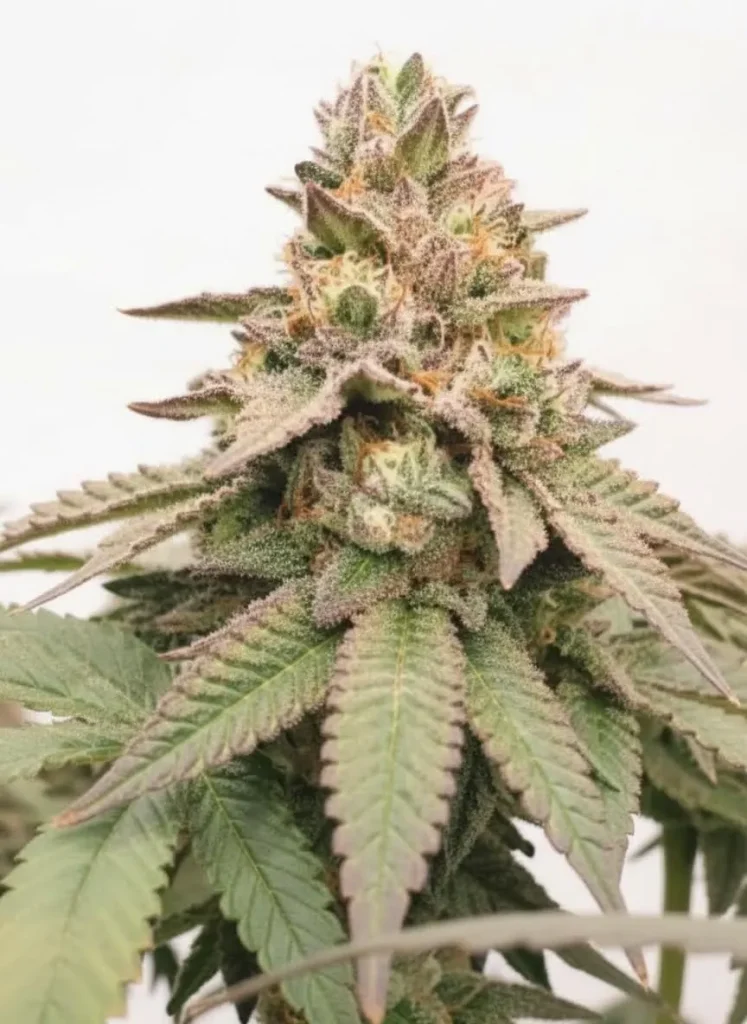
From $65.00
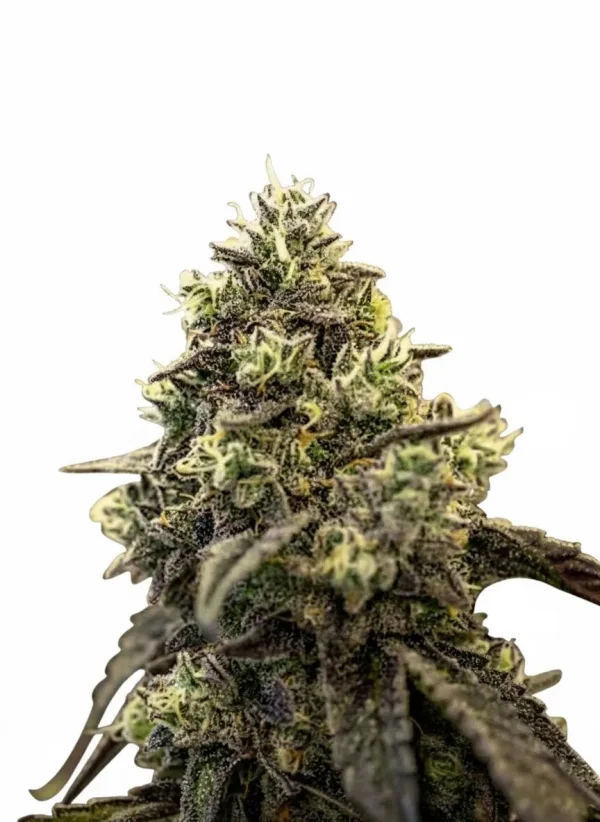
Candied grape on the nose, diesel on the exhale. A balanced hybrid of Grape Pie and Jet Fuel Gelato that turns deep purple in 8-10 weeks.
In stock. Order before 1pm CT and it ships today.
Grape Gas was bred in California in the late 2010s by crossing two very different personalities. Grape Pie is a dessert line full of candied grape and pastry sweetness. Jet Fuel Gelato blends sharp, diesel-style fuel with the creamy smoothness of the Gelato family. The goal was a plant that kept both signatures, and it does.
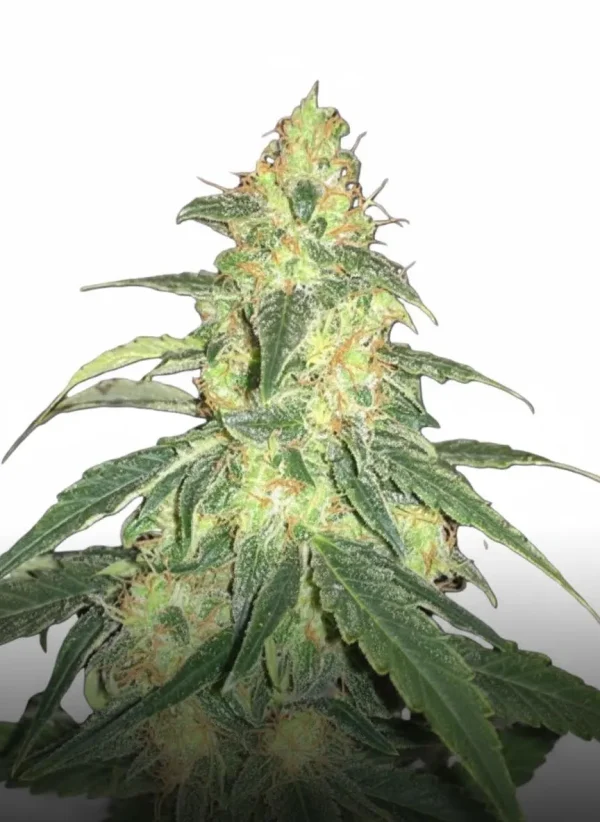
In the garden, Grape Gas grows with real vigor. Plants run medium to tall with strong branching and set dense, spade-shaped buds that wash over with purple as flowering wraps up. Trichome coverage is heavy, which makes it a good candidate for home hash and rosin as well as flower.
The name says exactly what you get: a ripe grape-candy nose up front and a fuel-tank finish behind it. These feminized seeds are bred to produce female plants, and phenotypes tend to land close to that grape-and-fuel profile.
Consumers commonly report a smiling, social start that slides into a comfortable, full-body calm. Most say it holds steady for two to three hours.
A warm, upbeat mood arrives fast and makes company easy.
The Grape Pie side brings a loose, comfortable calm through the limbs.
Relaxed but not knocked out at moderate doses, which suits evenings in.
With reported THC up to 26%, take a small first dose and give it time. Dry mouth and dry eyes are the usual reported side effects, and some people report feeling uneasy or dizzy at high doses. General reports, not medical guidance.
Grape soda and purple candy lead the way, with sweet mixed berry in the middle and a sharp diesel note that lingers after the exhale. The fuel side gets loud late in flower, so a carbon filter is a must indoors.
Rounds out the jammy grape base.
CaryophyllenePepper, diesel spiceDrives the fuel-heavy finish.
LimoneneCitrus zest, candyKeeps the sweet top notes bright.
Cut whole branches and hang them in a dark room near 60°F and 60% RH. A slow 10-14 day dry followed by at least three weeks of jar curing brings the grape candy forward.
Rated moderate. Vigorous growth and dense colas mean the two things to manage are stretch and late-flower humidity.
Grape Gas grows fast and branches hard, so it fills space more quickly than many dessert hybrids. Indoors it usually finishes at 3 to 5 feet, but the flowering stretch can surprise first-time growers. Flip a little earlier than you think you need to, especially in a tent with limited headroom.
Top early in veg, then weave the new shoots through a SCROG net to keep every cola at the same height under the light. Run 800-1,000 PPFD in flower under LED. A round of defoliation around day 21 of bloom opens the middle of the plant to light and air.
This is a hungry plant in mid flower. Increase phosphorus and potassium from week three to week six, keep cal-mag in the mix under LED, then taper toward the end.
Most plants are ready 8 to 10 weeks into flower. Grape-heavy phenotypes often finish nearer week 8, while fuel-leaning ones can want the full 10. Let the trichomes decide: mostly cloudy with some amber is the sweet spot for its relaxed side.
One typical indoor schedule. Veg time is your call; the 8-10 week bloom is built into the genetics.
Paper towel or plug, 75-80°F
Soft light, 65-70% RH
Top early, set up the net
8-10 weeks on 12/12
Hang dry, then jar cure
Outdoors, Grape Gas likes heat, full sun and a dry finish. Healthy plants commonly reach 5 to 7 feet and can produce roughly 18 to 21 ounces each, ready around mid October. Set plants out after the last frost, once nighttime temperatures stay above about 50°F.
That mid October harvest is the main thing to plan around. In places where fall rain or early frost shows up in the first half of October, the dense purple colas are exposed during their most vulnerable weeks. A greenhouse, hoop house or simple rain cover makes a big difference, as does pruning the interior so wind can move through. Our harvest, dry and cure guide covers what to do once it comes down.
Laws on home growing vary from state to state, and some states do not allow it. Review marijuana laws by state before starting seeds.
Hot summers and dry Octobers give the late finish plenty of safe time.
Dry air is ideal, but mid October can bring frost before colas are done.
Possible in warmer southern areas; northern gardens risk cold, wet weather at harvest.
Humid falls and early chills make a greenhouse or indoor grow the safer choice.
The season is long enough, but persistent humidity puts dense purple buds at risk of mold.
Grape Gas is a balanced hybrid with a slight indica lean in how it feels. Growth is vigorous and medium-tall, and the effect moves from upbeat euphoria into relaxed body calm.
Our supplier reports THC of 20-26%, placing it in our high-THC category. Potency varies with phenotype, environment and harvest timing, so treat the top of that range as a ceiling rather than a promise.
Indoors, plan on 8 to 10 weeks after switching to 12/12. Outdoors in the US it typically finishes around mid October.
Indoor growers can expect roughly 1.3 to 1.6 ounces per square foot with a trained, even canopy. Outdoor plants in full sun can give about 18 to 21 ounces each.
It is rated moderate. A beginner can grow it with some preparation, but its stretch and dense colas call for headroom planning, good airflow and flowering humidity around 40-45%.
Think grape candy and sweet berry with a strong diesel finish. Myrcene, caryophyllene and limonene are the terpenes most commonly reported.
Inland California and the Southwest are the best fit because their dry autumns cover the mid October finish. Colder or wetter regions should consider a greenhouse or growing indoors.
The purple comes from its genetics, but cooler nights in the final two weeks of flower help it show. Dropping night temperatures 10-15°F below daytime is usually enough.
Only logged in customers who have purchased this product may leave a review.
Sativa-dominant hybrid
From$655-seed pack
Choose packIndica-dominant hybrid
From$655-seed pack
Choose packIndica-dominant hybrid
From$655-seed pack
Choose packPure sativa
From$655-seed pack
Choose packYou must be 21+ to enter Best Marijuana Seeds. Please confirm your age.
By entering you agree to our Terms and Privacy Policy.
Reviews
There are no reviews yet.