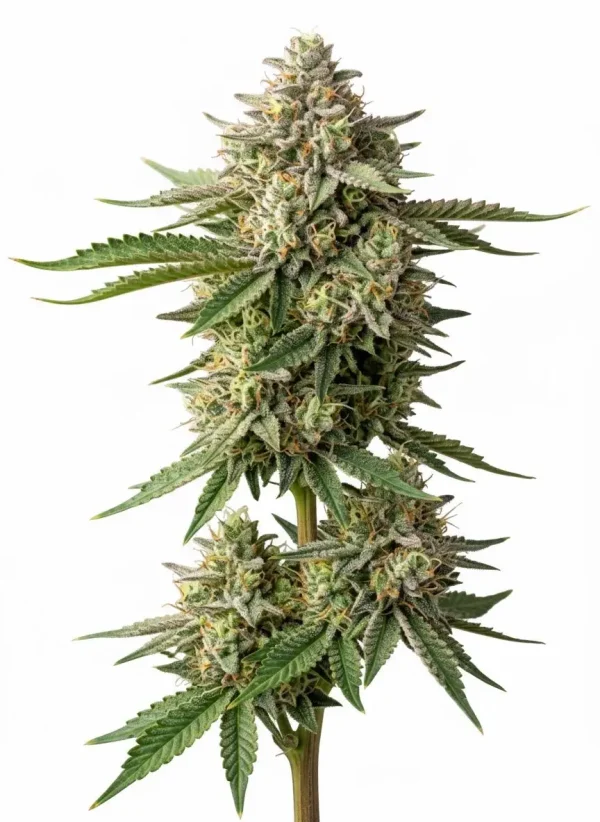
Balanced hybrid
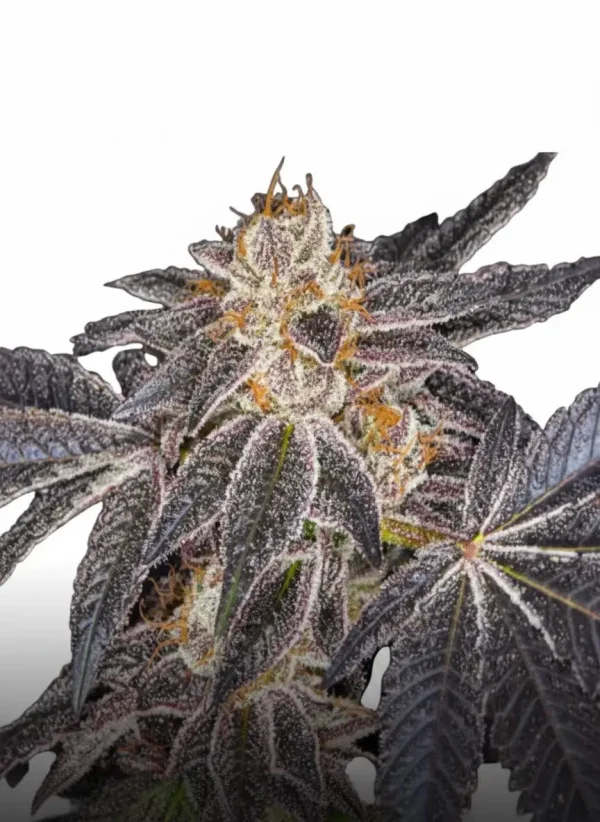
Cereal Milk Feminized Seeds
Indica 50%Sativa 50%
- Flowering
- 8-10 wks
- Yield
- 1.5-1.6 oz/ft²
- Grow level
- Moderate
- Creative
- Euphoric
- Relaxed
From$655-seed pack
Choose pack
From $65.00
Sweet licorice, spice and pine. A pure South African landrace sativa in feminized form, known for clear, energetic effects and a quick finish for a sativa.
In stock. Order before 1pm CT and it ships today.
Durban Poison is a landrace: a sativa that took shape over generations in the area around the port city of Durban, South Africa, rather than in a modern breeding room. It reached American growers in the 1970s and has stayed a reference point for pure sativa genetics ever since.
It looks the part, with real height, long gaps between nodes and slender, finger-like leaves. Unlike many pure sativas, though, it is heavy with resin and finishes in a manageable 9 to 10 weeks of flower, which makes it practical indoors in a way most long-season sativas are not.
The name points to its home city, and the nose is just as distinctive: sweet anise and licorice over spice and pine. These feminized seeds keep the landrace character while giving you female plants from the start, so there is no need to sort out males before flowering.
Consumers often describe a fast, clear and energetic head high with little body weight, which is why many keep it for daytime. The mood tends to be upbeat and talkative rather than dreamy.
A clean burst of energy and a sharper, more awake feeling.
Many people report steady focus that suits projects, walks or conversation.
It tends to taper off gently, without much heaviness or couch time.
Reported THC up to 24% with a stimulating profile: start small, since some people report jitters or racing thoughts at higher doses. Dry mouth is also common. General reports, not medical guidance.
Sweet anise and black licorice up front, then warm spice and a fresh pine finish. It is one of the easiest strains to recognize by smell, and it gets loud in the last weeks of flower, so plan on a carbon filter.
The bright, sweet top note found in many classic sativas.
MyrceneEarth, muskAdds a soft, earthy depth under the spice.
OcimeneSweet herb, woodContributes a green, slightly woody sweetness.
Dry slowly at about 60°F and 60% humidity for 10-14 days. A jar cure of two weeks or more brings the licorice note forward.
Rated easy. Durban Poison is hardy and its airy flowers resist mold, so the main job indoors is managing height.
Durban Poison grows like the sativa it is, with long internodes and narrow leaves, but it stays workable indoors at 3 to 5 feet once you train it. A 4×4 ft tent with good vertical room is a comfortable fit.
Give it bright light, around 700-1,000 PPFD in flower under LED. Top once or twice early in veg, then spread the branches with LST or a SCROG net. Flip to 12/12 when the plant reaches about half the final height you can allow, because it keeps growing for the first few weeks of flower.
Sativas like this one usually want less nitrogen than heavy indicas. Feed moderately, treat dark, clawing leaves as a sign of excess, and keep the pH steady through bloom.
Most plants finish after 9 to 10 weeks of flower. Read the trichomes rather than the pistils: harvesting when most heads are cloudy keeps the effect bright and energetic, which is the whole point of growing Durban Poison.
A typical indoor run. Keep veg short, since this sativa adds much of its height after the flip.
Paper towel method, 75-80°F
Warm room, 60-70% RH
Top early, spread with LST
9-10 weeks from the flip
Slow dry, two-week jar cure
Outdoors is where Durban Poison feels at home. In full sun it commonly reaches 6 to 8 feet and can produce 14 to 18 ounces per plant. Plant out after your last spring frost, once nights stay above about 50°F, and give it the sunniest, warmest spot you have.
The challenge is the calendar, not mold. Its airy, open structure copes with humid weather better than most dense hybrids, but harvest falls in mid to late October, so it needs a long, warm season. In northern states or at elevation, frost can arrive before the buds are done. Starting it under cover, or planting it against a south-facing wall for extra warmth, buys valuable time. Our outdoor planting guide lists timing for each USDA zone.
Before planting, confirm your state’s rules on home cultivation, including plant limits and whether plants must be kept out of public view.
Long, hot, sunny seasons let it finish fully in mid to late October.
Plenty of sun, but early frost at elevation can beat its late finish.
A late-October finish often runs into the first hard frost up north.
Frost usually arrives before the buds are done; a greenhouse or indoor grow is safer.
Long, warm seasons suit it, and airy buds cope with humidity better than most.
Durban Poison is a pure sativa, a landrace from the Durban region of South Africa. It grows tall with slender leaves, and consumers commonly describe an energetic, clear-headed effect.
Our supplier reports THC of 18-24%. Because the effect is stimulating rather than sedating, newer consumers should start with a small amount. Results vary with phenotype, conditions and harvest timing.
Indoors, expect 9 to 10 weeks after switching to 12/12, which is quick for a pure sativa. Outdoors in the US, plants finish in mid to late October.
Indoors, a trained canopy can produce roughly 1.5 to 1.8 ounces per square foot. Outdoors, plants in full sun can produce roughly 14 to 18 ounces each, depending on season length and care.
Yes, it is rated easy. It is hardy and its airy buds resist mold, so the main challenge is height. Top it early and keep veg short indoors.
Sweet anise and licorice lead, with spice and pine behind them. Terpinolene, myrcene and ocimene are the terpenes most often reported.
It does best in long, warm seasons such as inland California, the Southwest and the Southeast. In northern states its mid to late October finish can run into frost, so a covered start or an indoor grow is safer.
Yes. It developed over generations in the Durban region of South Africa rather than being bred from modern hybrids, and it was popularized in the US in the 1970s. These feminized seeds keep that pure sativa character.
Only logged in customers who have purchased this product may leave a review.
Balanced hybrid
From$655-seed pack
Choose packIndica-dominant hybrid
From$655-seed pack
Choose packIndica-dominant hybrid
From$655-seed pack
Choose packIndica-dominant hybrid
From$655-seed pack
Choose packYou must be 21+ to enter Best Marijuana Seeds. Please confirm your age.
By entering you agree to our Terms and Privacy Policy.
Reviews
There are no reviews yet.