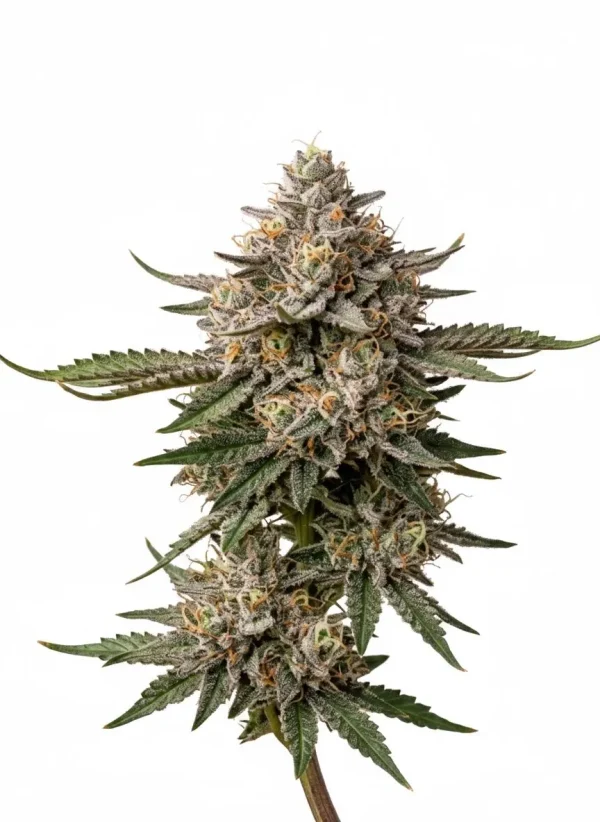
Indica-dominant hybrid
Ice Cream Cake Feminized Seeds
Indica 75%Sativa 25%
- Flowering
- 8-9 wks
- Yield
- 1.5-1.8 oz/ft²
- Grow level
- Moderate
- Euphoric
- Happy
- Relaxed
From$655-seed pack
Choose pack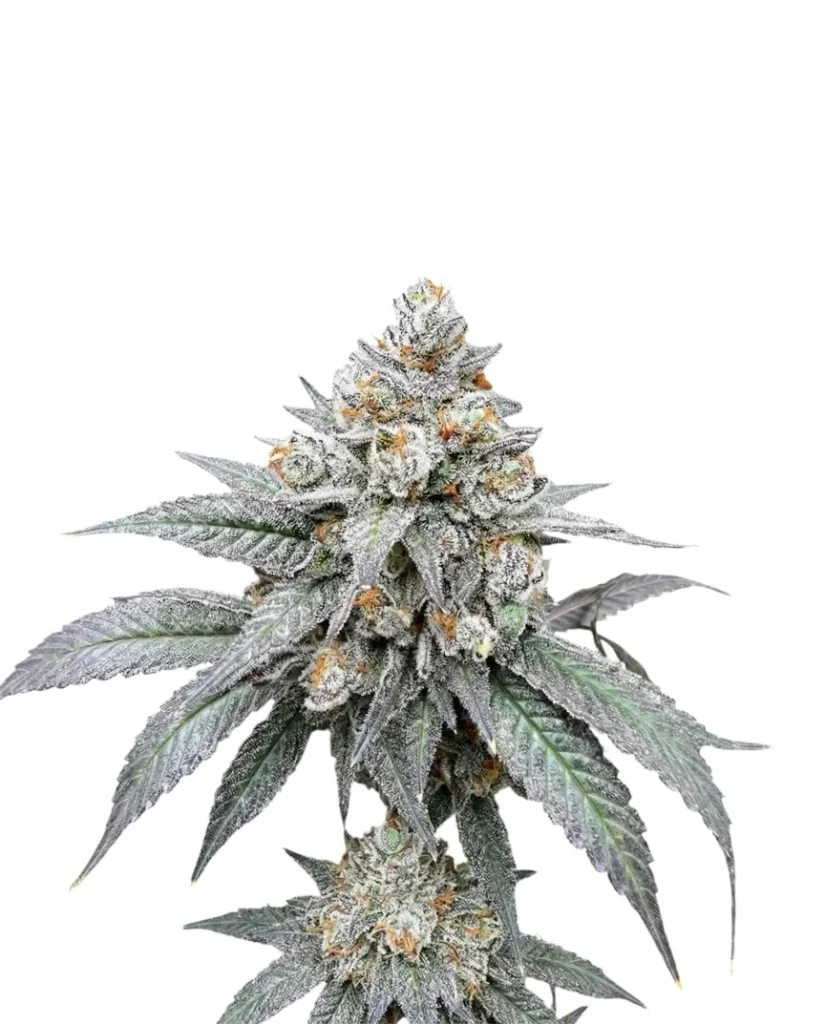
From $65.00
Earthy pine, cracked pepper and a blanket of white resin. A balanced feminized hybrid of Brazilian and South Indian landraces that finishes in 8-10 weeks.
In stock. Order before 1pm CT and it ships today.
White Widow is one of the strains that defined the Amsterdam coffeeshop era. It became famous there in the 1990s and won the 1995 Cannabis Cup. Three decades on, growers still use it as a yardstick for resin production and plant balance.
Its roots are old school: a Brazilian sativa landrace crossed with a resin-heavy South Indian indica. The Brazilian side brings a clear, upbeat lift and some stretch. The Indian side adds structure, a woody, earthy base and much of the frost. Together they make a balanced hybrid that leans slightly sativa, at about 60/40.
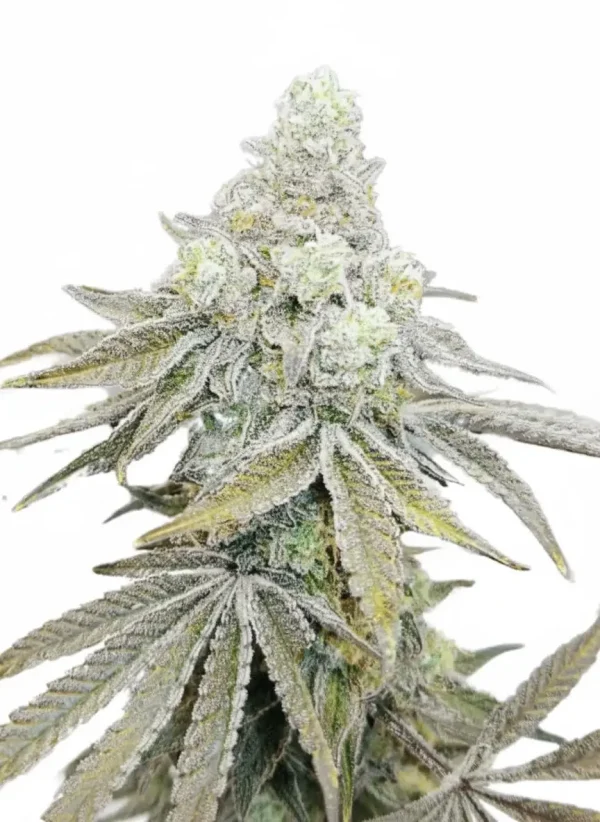
The name describes the look. By mid flower the buds and sugar leaves carry so many trichomes that they appear dusted in white. That resin, plus a forgiving frame, good mold resistance and steady yields, made White Widow a parent of countless modern hybrids. These feminized seeds are bred to produce female plants, so every seed you sprout is headed for flower.
Consumers commonly describe a bright, social lift up front that settles into easy, even relaxation. It tends to feel clear rather than heavy, which is why many people reach for it earlier in the day.
A quick wave of euphoria and energy that often gets conversation going.
The head stays clear enough for music, projects or a long walk.
The indica side shows up as loose, calm relaxation with little couch lock.
Start low, especially if classic hybrids in the 18-20% range are new to you. Commonly reported downsides include dry mouth and dry eyes, and at high doses some people report racing thoughts or anxiety. General reports, not medical guidance.
Earthy and woody at the core, with fresh pine on top and a peppery, spicy finish. This is not a candy strain; think damp forest and fresh-cut lumber. It gets pungent in late flower, so run a carbon filter indoors.
Lays down the earthy, slightly sweet base.
CaryophyllenePepper, woodAdds the spicy, peppery bite on the exhale.
PinenePine, fresh resinGives the sharp, clean pine top note.
Hang whole branches to dry at about 60°F and 60% humidity, then cure in jars for at least two weeks so the pine and spice do not flatten out.
Rated moderate. It is an evenly branched, forgiving plant with good mold resistance; the real work is managing its stretch and keeping the canopy level.
White Widow fits most home setups. Indoors it usually finishes at 3 to 4 feet, which works in a 3×3 or 4×4 ft tent with room left for the light. Rated moderate, it suits growers with a run or two behind them, though a careful beginner can still bring it home.
Give it 600-800 PPFD in late veg and 700-900 PPFD in flower under LED. The sativa side brings some stretch in the first weeks after the flip, so top once at the fourth or fifth node, then use low-stress training or a SCROG net to keep the tops level. An even canopy is the simplest way to push toward 1.3-1.6 oz per square foot.
White Widow is not a hungry plant. A moderate nutrient line through veg, with nitrogen tapering by mid flower, keeps leaves green without burnt tips. Add cal-mag in coco or under LED.
Most plants are ready 8 to 10 weeks after the switch to 12/12. Because the whole plant is frosted, check trichomes on the buds rather than the sugar leaves: mostly cloudy heads keep the effect bright, while some amber nudges it toward a calmer finish.
A typical indoor run. You choose how long to veg; flowering time is set by the genetics.
Paper towel at 75-80°F
Soft light, 65-70% RH
Top at node 4-5, train flat
8-10 weeks after the flip
Slow dry, then jar cure
White Widow is one of the more dependable photoperiod strains to grow outside. Plants usually reach 4 to 6 feet and can produce roughly 19 to 21 ounces each in full sun, finishing in early to mid October across much of the country. Set plants out after your last spring frost, once nights stay above about 50°F.
Its mold resistance gives it an edge where late summers turn humid, but it is not immune. In wet regions, thin interior growth in August, space plants for airflow and watch the forecast during the final two weeks. Our outdoor planting guide lists planting windows for every USDA zone.
Before you plant, confirm your state’s home-grow rules and plant limits, which differ a great deal from one state to the next.
Dry, sunny autumns let it ripen fully in early October with little mold pressure.
Strong sun and dry air suit it; plant early so it finishes before high-elevation frost.
Finishes ahead of most hard frosts if it goes in the ground by early June.
Its mold resistance helps through humid Septembers; thin the canopy for airflow.
The long season is a plus, but heavy humidity and storms call for wide spacing.
White Widow is a balanced hybrid that leans slightly sativa, usually described as about 60% sativa and 40% indica. It comes from a Brazilian sativa landrace crossed with a South Indian indica, so it grows evenly and its effects mix a clear head with mild body calm.
Our supplier reports THC around 18-20%, with CBD at 0.1-0.2%. That is strong without being extreme by modern standards, and results vary with phenotype, growing conditions and harvest timing.
Indoors, most plants finish 8 to 10 weeks after you switch the lights to 12/12. Outdoors in the US, expect a harvest in early to mid October depending on your latitude and the weather.
A dialed-in indoor setup can produce roughly 1.3 to 1.6 ounces per square foot. Outdoors, healthy plants in full sun can produce roughly 19 to 21 ounces each. Light intensity, training and spacing make the biggest difference.
It is rated moderate. The plant is forgiving and shows good mold resistance, but its stretch after the flip and its 8-10 week bloom reward a grower who can manage height and canopy. A careful first-timer with a tent can still do well.
Expect an earthy, woody base with fresh pine and a peppery, spicy finish rather than sweet or fruity notes. Myrcene, caryophyllene and pinene are the terpenes most often reported.
Yes. It does best where autumns are dry and sunny, such as inland California, the Southwest and Colorado, and its mold resistance helps in the Midwest and Northeast. Plant after your last frost, plan on an early to mid October harvest and check your state's home-grow rules first.
The name comes from its look. By mid flower the buds and sugar leaves carry so many trichomes that they appear frosted white. That resin helped make it a 1990s Amsterdam icon, and it won the 1995 Cannabis Cup.
Only logged in customers who have purchased this product may leave a review.
Indica-dominant hybrid
From$655-seed pack
Choose packSativa-dominant hybrid
From$655-seed pack
Choose packBalanced hybrid
From$655-seed pack
Choose packIndica-dominant hybrid
From$655-seed pack
Choose packYou must be 21+ to enter Best Marijuana Seeds. Please confirm your age.
By entering you agree to our Terms and Privacy Policy.
Reviews
There are no reviews yet.