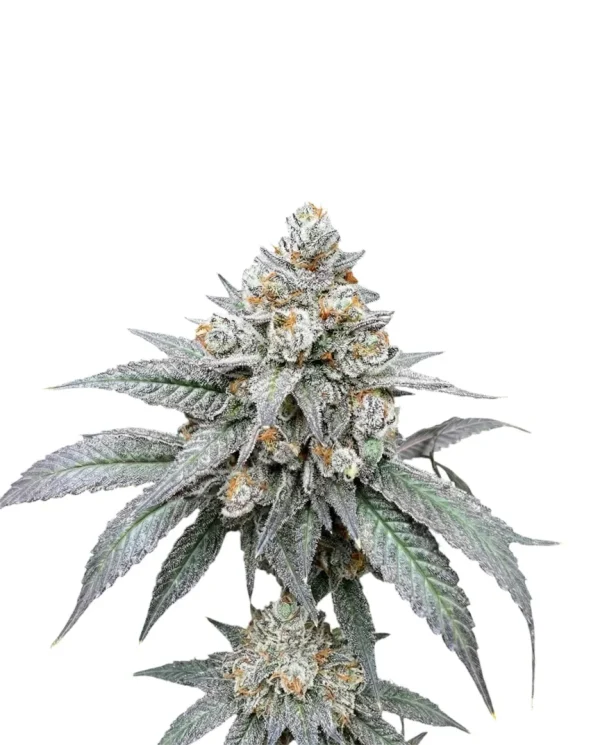
Balanced hybrid, slightly sativa-leaning
White Widow Feminized Seeds
Indica 40%Sativa 60%
- Flowering
- 8-10 wks
- Yield
- 1.3-1.6 oz/ft²
- Grow level
- Moderate
- Creative
- Energetic
- Euphoric
From$655-seed pack
Choose pack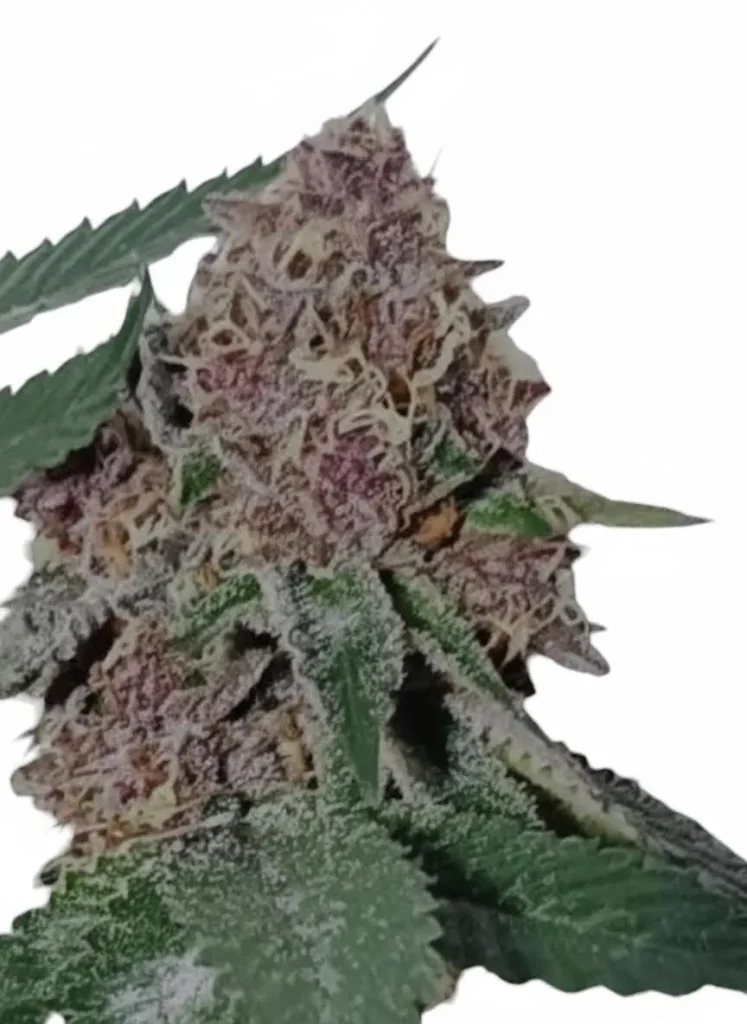
From $65.00
Mango, pineapple and ripe cherry in one jar. A balanced Tropicana Cookies x Cherry Cookies hybrid that stays compact and finishes in 8-9 weeks.
In stock. Order before 1pm CT and it ships today.
Tropical Cherry is a modern cookie-family hybrid that pairs two fruit-forward parents. One side is Tropicana Cookies, itself a cross of GSC and Tangie that is prized for bright orange zest. The other is Cherry Cookies, a Cherry Pie descendant known for dark, sweet stone-fruit flavor and dense, colorful flowers.
Where some selections from this same pairing chase sharp citrus, Tropical Cherry leans the other way. The nose rounds off into ripe mango and pineapple with a cherry-candy finish, closer to a fruit smoothie than a squeezed orange. Under the fruit sits a faint cookie dough base from the GSC side of the family.
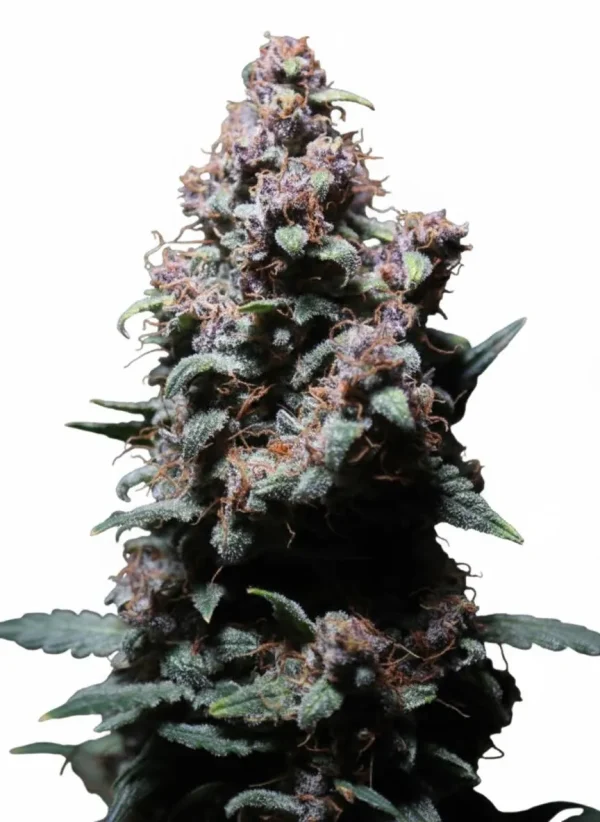
In the garden it behaves like a well-mannered balanced hybrid. Plants stay compact with sturdy side branches and stack spade-shaped buds that can blush purple when nights cool down. These feminized seeds are bred to grow female plants, so your tent space goes to flower rather than to pulling males.
People commonly describe an easygoing, cheerful lift that settles into balanced body ease without heavy sedation. Effects tend to last two to three hours.
A smiling mood boost that builds gently instead of rushing in.
Head stays clear enough for music, cooking or a long talk.
A loose, calm body feel that fades without couch lock for most.
With THC reported up to 25%, newer consumers should start low and wait before taking more. Dry mouth and dry eyes are the most commonly reported downsides, and high doses can leave some people anxious. General reports, not medical guidance.
Crack a cured bud and mango and pineapple jump out first, followed by tart cherry and a sweet, doughy finish. The smell is fruity rather than skunky, but it still carries in late flower, so run a carbon filter.
Brightens the pineapple and mango top notes.
CaryophyllenePepper, warm spiceAdds the faint spicy edge on the exhale.
MyrceneRipe fruit, earthGives the mango its juicy, overripe depth.
Fruit terpenes are fragile. Dry for 10-14 days near 60°F and 60% humidity, then cure in sealed jars for three weeks or more to keep the cherry note from fading.
Rated moderate. It grows compact and even, so the main jobs are steady temperatures and enough airflow through its dense flowers.
Tropical Cherry suits a small indoor space. Most plants top out around 3 to 4 feet, which leaves headroom in a standard 2×4 or 4×4 ft tent. Its moderate rating comes from the buds: they pack tight, so humidity control matters more than any fancy technique.
Run about 500-700 PPFD in veg and 700-950 PPFD in flower under LED. Topping once at the fourth or fifth node, then tying branches outward with LST, turns its naturally even shape into a flat table of colas. Clear small growth from the bottom third, a step called lollipopping, so energy goes to the top sites.
Keep nutrients light to medium. Fruit-heavy cookie crosses often show tip burn when pushed hard, and too much nitrogen in bloom can mute the mango and cherry aroma. A cal-mag supplement under LED keeps leaves clean through mid flower.
Expect a finish 8 to 9 weeks after the flip. Check trichomes with a loupe: mostly milky heads keep the effect bright and social, while a sprinkle of amber gives a softer, more relaxed finish.
A sample indoor schedule. Stretch or shorten veg to fit your space; the bloom length comes from the genetics.
Moist paper towel, 75-80°F
Low light, 65-70% RH
Top at node 4-5, begin LST
8-9 weeks after 12/12
Slow dry, then jar cure
Outside, Tropical Cherry is a warm-weather plant. In full sun it usually reaches 5 to 6 feet and ripens around mid October. Set plants out after the last spring frost, once nights stay above about 50°F, and give them the sunniest spot you have.
A mid-October finish is the main hurdle. In regions where autumn turns wet or cold early, the dense tops can hold moisture and mold before they ripen. Strip lower branches for airflow, keep a frost cloth or simple rain cover on hand, and watch the forecast in the final three weeks. Our outdoor planting guide lists start dates by USDA zone.
Before you plant, confirm what your state allows. Home grow rules for adults differ from state to state, including plant counts. See marijuana laws by state.
Warm, dry autumns let the fruit-heavy tops ripen fully by mid October.
Dry air protects the buds, but higher elevations may see frost before harvest.
A mid-October finish can collide with the first cold, damp fronts of fall.
Short seasons and humid Septembers make an indoor or greenhouse grow the safer bet.
The heat suits it, but muggy late summers call for aggressive pruning and airflow.
Tropical Cherry is a balanced hybrid, sitting close to an even split between indica and sativa. That balance shows in both the plant, which grows compact but branchy, and the effect, which is commonly described as upbeat yet relaxed.
Our supplier reports THC of about 20-25%. That is solidly potent for most consumers, though real numbers shift with phenotype, environment and when you harvest, so treat the range as a guide.
Indoors, plan on 8 to 9 weeks of flowering after you switch the lights to 12/12. Outdoor plants in most of the US are ready around mid October.
A well-tuned indoor setup can return roughly 1.3 to 1.6 ounces per square foot. Outdoors in full sun, each plant can give roughly 16 to 19 ounces. Light intensity and training make the biggest difference.
It is rated moderate, and a careful first-time grower can handle it. The plant stays manageable in size; the main lesson is keeping humidity down in late flower so the dense buds stay mold-free.
Expect ripe mango and pineapple up front, then tart cherry and a sweet, doughy finish. Limonene, caryophyllene and myrcene are the terpenes most often linked to that profile.
It does best outdoors in inland California, the Southwest and other areas with warm, dry autumns. In the Northeast or anywhere October turns wet early, an indoor tent or greenhouse is the more reliable route.
Color is mostly genetic, but cooler nights help it show. Letting night temperatures drop 8-10°F below the daytime high during the last two weeks of flower often brings out purple calyxes on receptive phenotypes.
Only logged in customers who have purchased this product may leave a review.
Balanced hybrid, slightly sativa-leaning
From$655-seed pack
Choose packIndica-dominant hybrid
From$655-seed pack
Choose packSativa-dominant hybrid
From$655-seed pack
Choose packIndica-dominant hybrid
From$655-seed pack
Choose packYou must be 21+ to enter Best Marijuana Seeds. Please confirm your age.
By entering you agree to our Terms and Privacy Policy.
Reviews
There are no reviews yet.