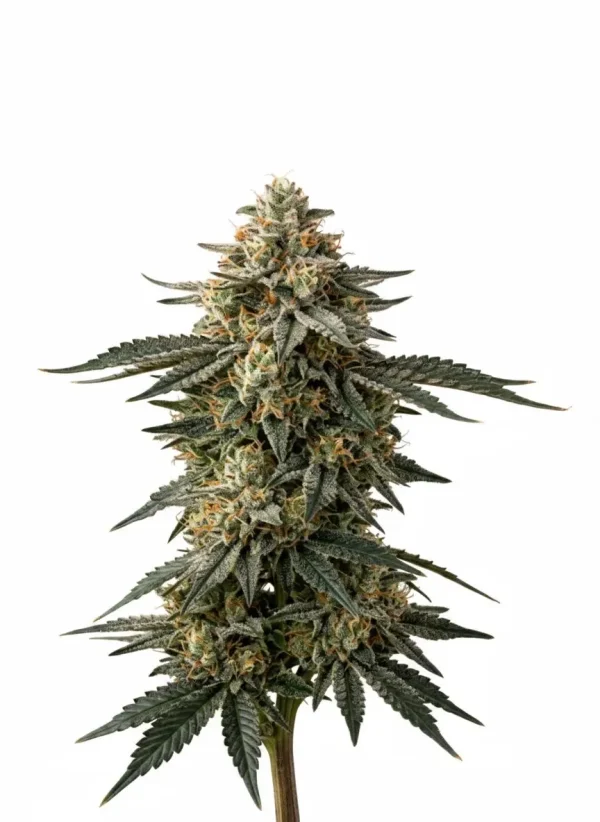
Indica-dominant hybrid
Wedding Cake Feminized Seeds
Indica 70%Sativa 30%
- Flowering
- 8-9 wks
- Yield
- 1.5-1.8 oz/ft²
- Grow level
- Moderate
- Euphoric
- Happy
- Hungry
From$655-seed pack
Choose pack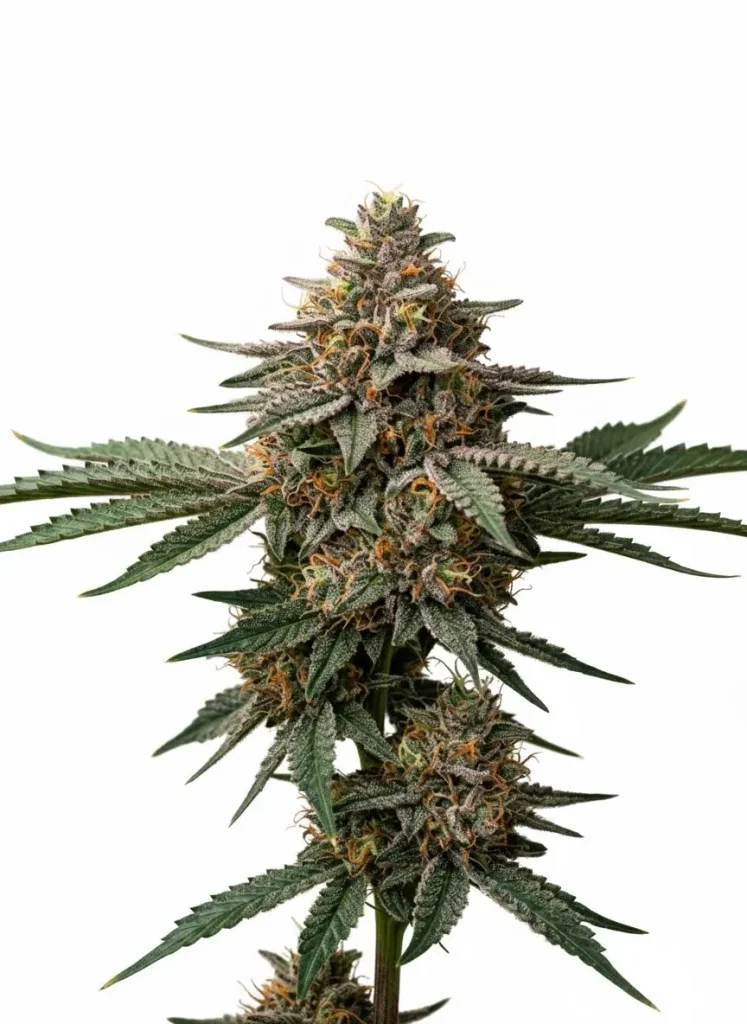
From $65.00
Dark cherry meets fresh tangerine in buds that can turn magenta and violet. An indica-dominant Cherry Pie x Tangie cross that finishes in 8-10 weeks.
In stock. Order before 1pm CT and it ships today.
Forbidden Fruit joins an orchard parent with a citrus-grove parent. Cherry Pie, itself a Granddaddy Purple x Durban Poison cross, supplies dark fruit, purple color and a calm body feel. Tangie, the well-known tangerine sativa, adds a burst of sweet orange peel and a lighter, smiling headspace.
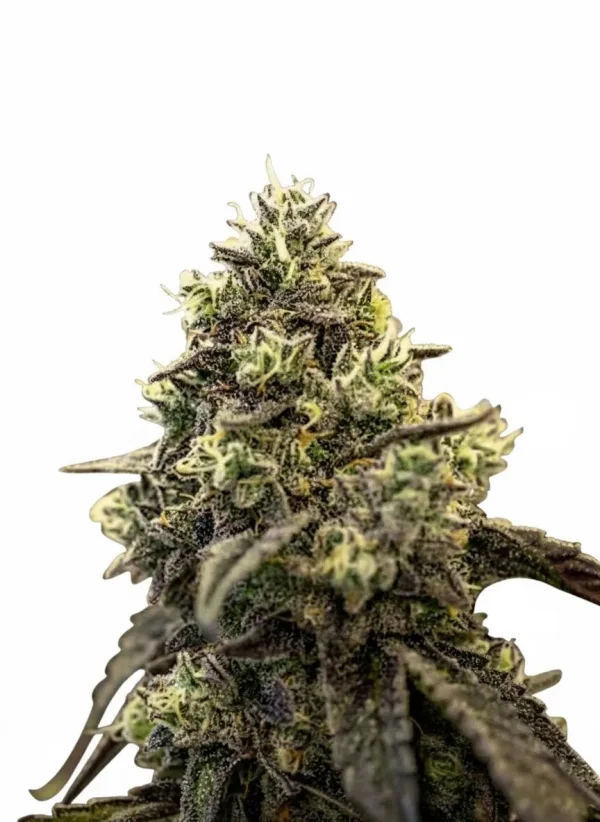
The indica side wins out in the plant’s shape. Expect stout, compact plants with short internodes and dense, teardrop-shaped buds. Late in flower many phenotypes shift from forest green into violet and magenta, with amber pistils and a fine layer of frost that makes the flower look almost painted.
The aroma is where the name comes from: ripe cherry and tangerine with a tropical, almost mango-like edge that is hard to resist. These feminized seeds are bred to produce female plants, so the whole pack is aimed at flower.
Consumers commonly describe a slow, dreamy onset rather than a sudden hit, with a cheerful mood first and warm body relaxation later. The full experience often runs two to three hours.
A gentle, dreamy euphoria that brightens the mood.
Relaxation spreads through the body while the head stays content.
Larger amounts often lead toward rest and sleep.
Reported THC of 20-24% is still strong, so begin with a small amount. Most people save it for evenings with nothing else planned. Commonly reported downsides include dry mouth, dry eyes and grogginess, and some people report anxiety at high doses. General reports, not medical guidance.
Black cherry and tangerine peel lead, followed by a tropical sweetness and a faint earthy base from the Cherry Pie side. The scent turns strong in the last three weeks of bloom, so plan on odor control.
Gives the deep, mellow body and the dark-fruit base.
LimoneneOrange peel, citrusCarries the tangerine brightness from Tangie.
CaryophylleneSpice, black pepperAdds a light peppery warmth behind the fruit.
Let night temperatures fall about 10°F below daytime in the final two weeks to coax out purple color, then dry slowly at 60°F and 60% humidity to protect the fruit notes.
Rated moderate. Forbidden Fruit stays compact and easy to manage; the main job is keeping humidity low around its dense, color-changing buds in late flower.
Indoors, Forbidden Fruit is a tidy plant that typically tops out at 3 to 4 feet, a good fit for a 2×4, 3×3 or 4×4 ft tent. Its stretch after the flip is modest, which makes canopy planning simple even for newer growers.
Moderate light is enough. Aim for 550-750 PPFD late in veg and 750-950 PPFD in bloom. Top once and use low-stress training to open the bushy frame into four to eight main colas. Strip small, shaded growth from the lower branches so air can pass through.
The Cherry Pie side tends to prefer a lighter hand. Feed at moderate strength, back off nitrogen once flowers set, and add cal-mag if you run LEDs. Overfeeding can dull both color and flavor.
Plan on 8 to 10 weeks after the flip, with most phenotypes ready around week nine. Watch the trichomes: cloudy with roughly 15-20% amber suits the strain’s relaxing character.
A typical indoor run. You choose the veg length; the 8-10 week bloom comes from the genetics.
Moist paper towel at 75-80°F
Mild light, 65-70% RH
Top once, begin LST
8-10 weeks, cool nights at the end
60°F, 60% RH, then jars
Outdoors, Forbidden Fruit grows to about 5 to 6 feet and is usually ready in early October. That timing lets it beat the worst fall weather across much of the country, and the cool nights of early autumn deepen its purple color naturally. Plant out once your last frost has passed and nights stay above roughly 50°F.
The weak spot is rain on ripening buds. Dense teardrop flowers can trap water, so prune the inside of the plant for airflow and keep a simple rain cover or hoop frame ready for wet spells. Our outdoor planting guide has dates for each USDA zone, and the harvest and curing guide covers the steps after the chop.
Check your state rules before planting. Adult home cultivation is legal in some states and not others, and plant limits vary. See marijuana laws by state.
Dry, sunny falls ripen it cleanly with low mold pressure.
An early October finish usually beats the first hard frost.
Finishes ahead of most cold rain, and cool nights add color.
Humid late summers raise mold risk; thin the canopy and use cover.
Heat is fine but steady humidity threatens dense buds.
Forbidden Fruit is an indica-dominant hybrid, usually described as about 70% indica. It grows short and dense, and its effects lean toward relaxation after a soft, upbeat start.
Our supplier reports THC of 20-24%. That is potent but a step below the heaviest dessert strains, so many regular consumers find it easier to enjoy. Results vary by phenotype and harvest timing.
Indoors it takes about 8 to 10 weeks from the flip to 12/12, with many plants ready near week nine. Outdoors in the US, expect to harvest in early October.
With strong light and good training, indoor grows can produce around 1.5 to 1.8 ounces per square foot. Outdoor plants in full sun can produce roughly 18 to 21 ounces each.
It is rated moderate, but its compact size and mild stretch make it one of the friendlier picks for newer growers. The main thing to manage is low humidity in late flower.
Sweet black cherry and tangerine dominate, with a tropical edge and a gentle earthy base. Myrcene, limonene and caryophyllene are the terpenes most often reported.
Dry, sunny regions like inland California and the Southwest are ideal. Thanks to its early October finish, it also does well in the Midwest and the Colorado Front Range.
Color is mostly genetic, but cooler nights help it show. Drop night temperatures about 10°F below daytime for the last two weeks of bloom, while keeping them above about 60°F so ripening does not stall.
Only logged in customers who have purchased this product may leave a review.
Indica-dominant hybrid
From$655-seed pack
Choose packIndica-dominant hybrid
From$655-seed pack
Choose packIndica-dominant hybrid
From$655-seed pack
Choose packSativa-dominant hybrid
From$655-seed pack
Choose packYou must be 21+ to enter Best Marijuana Seeds. Please confirm your age.
By entering you agree to our Terms and Privacy Policy.
Reviews
There are no reviews yet.