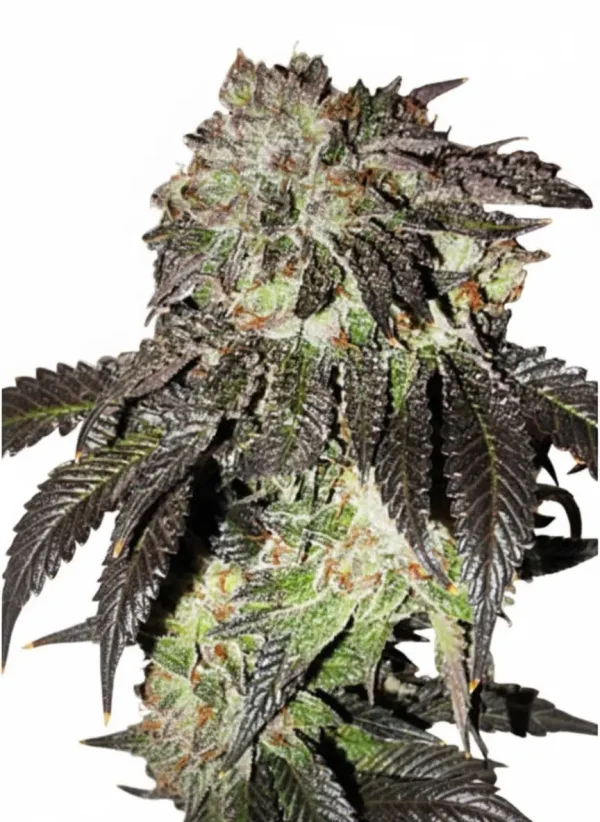
Sativa-dominant hybrid
Bruce Banner Feminized Seeds
- Flowering
- 9-10 wks
- Yield
- 1.6-2 oz/ft²
- Grow level
- Moderate
- Creative
- Energetic
- Euphoric
From$655-seed pack
Choose pack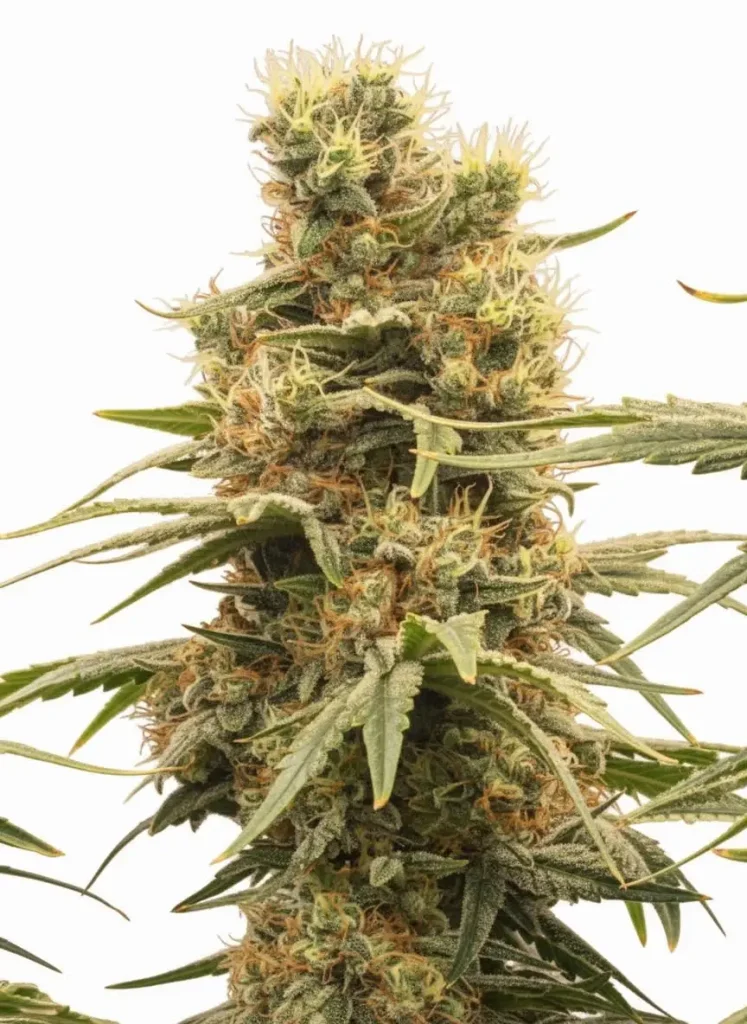
From $65.00
A classic sativa-dominant hybrid in a fast, forgiving autoflower. Bright citrus-and-incense flower, reported 18-22% THC, ready 10-11 weeks from seed.
In stock. Order before 1pm CT and it ships today.
Super Silver Haze is one of the best-known sativa-leaning hybrids ever bred, a Netherlands creation from the 1990s that mixed a pair of resinous indica-leaning parents with a tall, classic Haze. This autoflowering version keeps that character but adds ruderalis genetics, so the plant starts flowering by itself a few weeks after sprouting instead of waiting for a change in daylight.
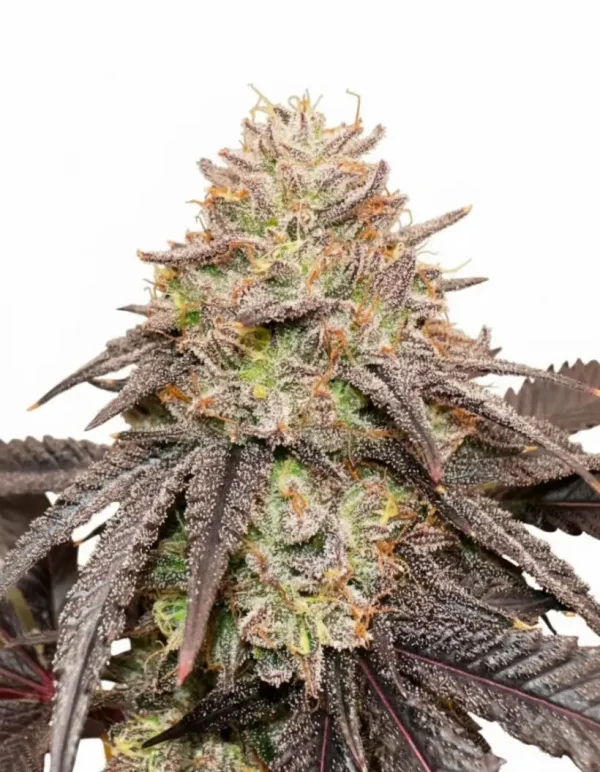
The practical result is a Haze-style plant that no longer needs six months of patience. Narrow, finger-like leaves and a slim, open frame reach 3 to 4 feet, far shorter than the towering photoperiod original. Flowers begin around day 25-30, stack into airy spears that firm up late, and finish under a pale layer of trichomes that gives the strain its silver look.
It is a sensible pick for growers who like the bright, clear-headed side of cannabis but have a short season, a small tent or little appetite for light-schedule changes. Every one of these seeds is autoflowering, so you set the lights once and leave them.
Consumers commonly describe a clear, bright head effect that carries energy and focus, with very little body weight. The lift typically lasts around three hours.
A quick, cheerful lift in the head with a sharp, alert feel.
Many people report a talkative, creative, get-things-done mood.
The energy tapers off without a heavy crash or couch lock.
Sativa-leaning strains can feel racy at larger doses. Commonly reported downsides include dry mouth, dry eyes and, for some people, anxiety or a racing mind. Start low. General reports, not medical guidance.
Zesty citrus and a dry, incense-like spice lead, with an earthy, woody undertone as the buds cure. The smell is moderate through most of the run and builds noticeably in the last three weeks.
The fresh, herbal and slightly floral top note typical of Haze lines.
PinenePine, resinAdds a crisp, piney edge to the citrus.
CaryophyllenePepper, spiceBrings the peppery, spiced finish.
Dry for 10-14 days at about 60°F and 60% humidity, then jar-cure. Haze-type terpenes are delicate and fade fast if you dry warm.
Rated easy. Autoflowers forgive missed schedules, and this one tolerates humidity better than dense indica types. The rules are simple: skip the topping, use final pots from the start and never touch the light timer.
The big appeal here is simplicity. You germinate straight into the final container, run the same light schedule for the entire life of the plant, and harvest roughly 10 to 11 weeks later. There is no flip to remember and no veg stage to manage.
Do not top or fim an autoflower; the lost growth time never comes back. If you want a flatter canopy, use gentle low-stress training during weeks 2-4 only, tying the main stem sideways while it is still soft. After that, leave the plant alone.
Start in the pot you will finish in, around 3 to 5 gallons, since transplanting slows autos. Feed lightly at first, since Haze-type plants dislike heavy nitrogen, then step up modestly once buds set at week four or five.
Most plants are ready 10 to 11 weeks from seed. Judge ripeness by trichomes: mostly cloudy with a few amber heads suits the bright, energetic profile best.
A typical autoflower run. Everything happens on one light schedule, with flowering starting on its own around day 25-30.
Paper towel or direct in the final pot, 75-80°F
Gentle light, 60-65% RH
LST in weeks 2-4 only
Starts itself around day 25-30
60°F, 60% RH, then jars
Outdoors, this autoflower shines because it is quick. Sprout seeds in late spring once nights stay above roughly 50°F and you can fit two runs into one summer in most of the country. A third, late run is possible in the deep South. Plants stay at 3 to 4 feet, so they hide well and fit in containers on a patio or balcony where local rules allow.
In short-season northern states, count back about 12 weeks from your first fall frost and plant no later than that. Autoflowers do not care about day length, so you can also start seeds in early June and still finish before the cold. Move pots to follow the sun and shelter them from wind and heavy rain.
The Haze side prefers warmth and decent airflow. Check for caterpillars in late summer, since they bore into colas. Our outdoor planting guide has dates for every USDA zone.
Growing at home is not allowed everywhere, and plant-count limits differ by state. Check yours before you buy seeds. See marijuana laws by state.
Long, warm, dry summers fit two full runs with almost no mold pressure.
Warm days suit it; use pots so you can move plants on cold nights.
A short run fits between the last spring frost and first fall frost.
Fast finishing beats short seasons; start early and watch for damp weather.
Heat is fine, but humidity is heavy. Give plants airflow and harvest promptly.
It is a sativa-dominant hybrid with ruderalis added for autoflowering. It grows with narrow leaves and an open frame, and its effects lean bright and mentally active rather than heavy.
Our supplier reports THC around 18-22%. That is a solid mid-to-high range for an autoflower, though results vary by phenotype, light and growing conditions.
Plants start flowering on their own around day 25-30 and finish 10 to 11 weeks from seed. You keep the same 18/6 or 20/4 light schedule from start to finish.
Indoors, expect roughly 1.3 to 1.6 ounces per square foot in a tuned setup. Outdoors, healthy plants commonly give about 3 to 6 ounces each. Light, pot size and feeding all matter.
Yes, it is rated easy. There is no light flip, no topping and a high tolerance for missed schedules. The main rules are final pots from day one and a light touch with nutrients.
Citrus and incense lead, followed by spice and an earthy finish. Terpinolene, pinene and caryophyllene are the terpenes most often associated with this profile.
It does well almost anywhere, because it is quick and ignores day length. Dry, sunny regions are ideal, while humid areas need extra airflow and a timely harvest.
In most states, yes. With a 10 to 12 week cycle, you can sprout one round in late spring and a second in midsummer, so long as the second finishes before your first frost.
Only logged in customers who have purchased this product may leave a review.
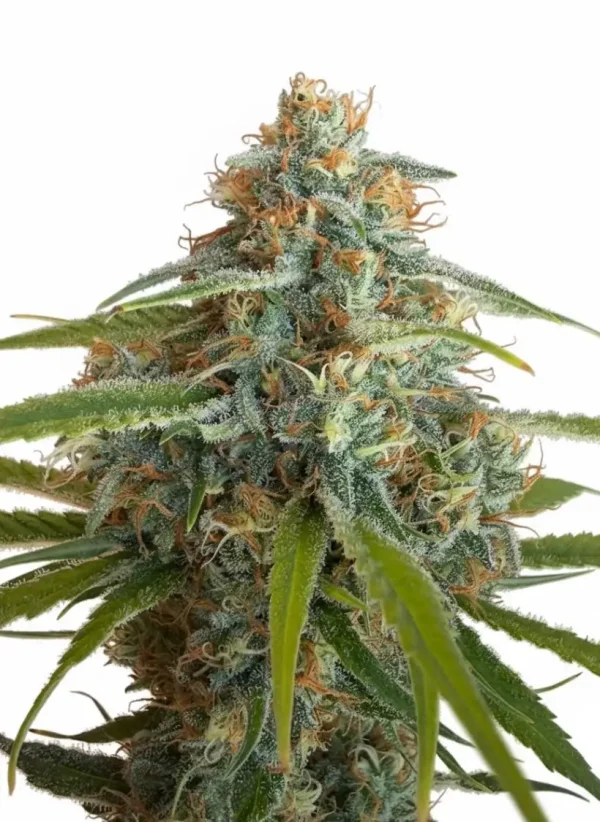
Sativa-dominant hybrid
From$655-seed pack
Choose packSativa-dominant hybrid
From$655-seed pack
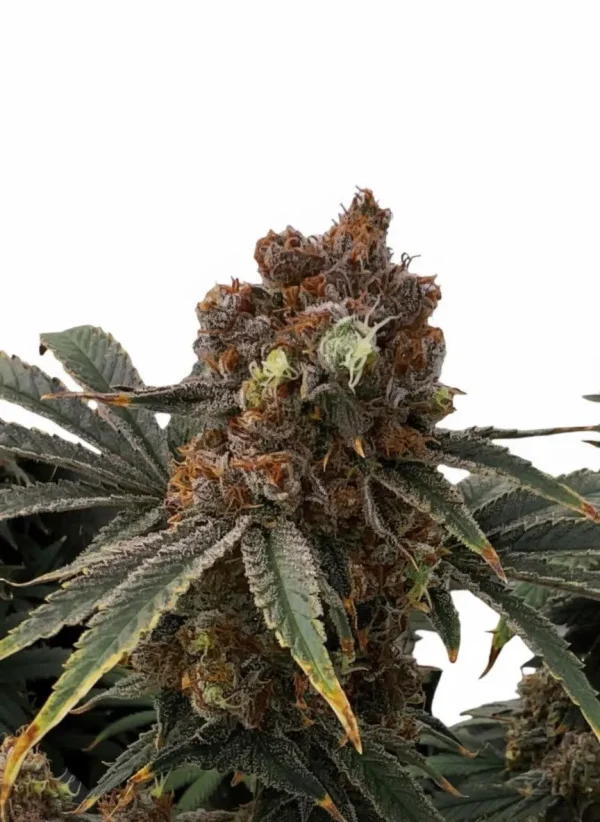
Choose packBalanced hybrid
From$655-seed pack
Choose packIndica-dominant hybrid
From$655-seed pack
Choose packYou must be 21+ to enter Best Marijuana Seeds. Please confirm your age.
By entering you agree to our Terms and Privacy Policy.
Reviews
There are no reviews yet.