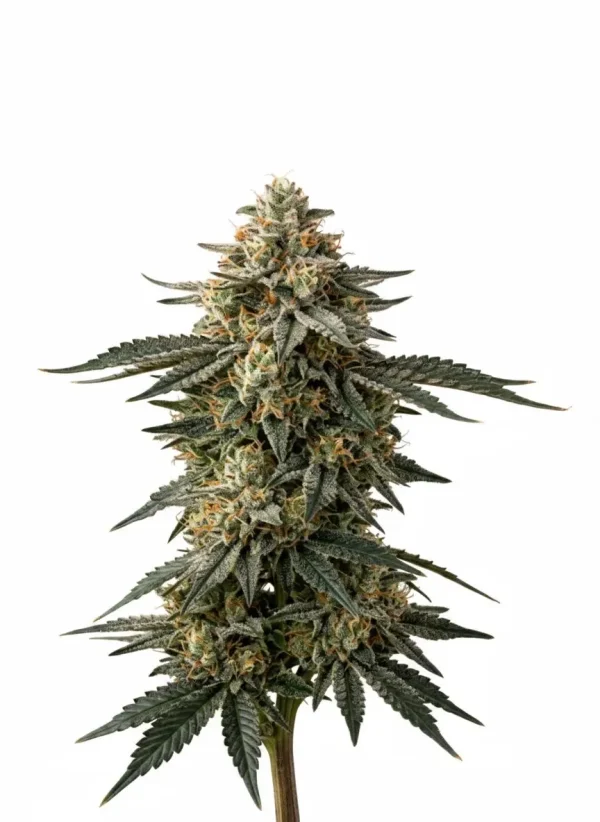
Indica-dominant hybrid
Wedding Cake Feminized Seeds
Indica 70%Sativa 30%
- Flowering
- 8-9 wks
- Yield
- 1.5-1.8 oz/ft²
- Grow level
- Moderate
- Euphoric
- Happy
- Hungry
From$655-seed pack
Choose pack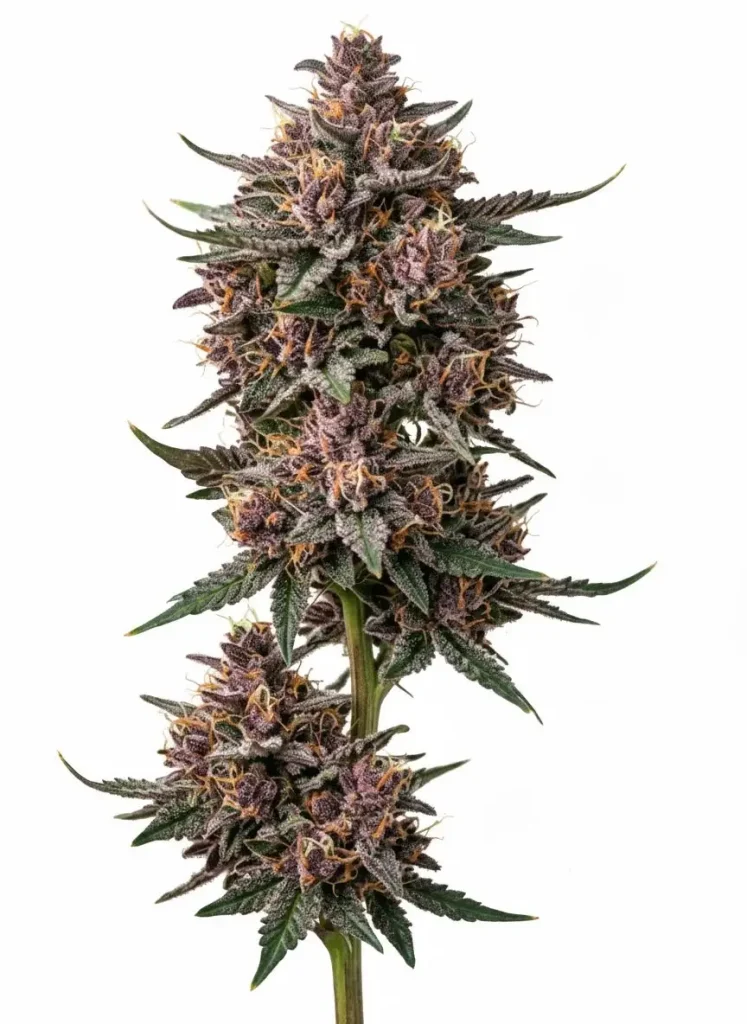
From $65.00
Grape, berry and old-school skunk on a squat, purple-budded indica. A Northern California heirloom that finishes in 8-9 weeks and stays tent-sized.
In stock. Order before 1pm CT and it ships today.
Purple Urkle traces back to the hills of Mendocino and Humboldt counties in the 1980s, when Northern California growers were selecting the most colorful plants out of a local purple population later called Mendocino Purps. Nobody wrote down the exact pairings, which is normal for strains of that era. What survived was a standout cut: short, wide-leafed, reliably purple and heavy on grape.
That cut became one of the most important building blocks in modern cannabis. Crossed with Big Bud, it produced Granddaddy Purple, and its pigment genes run through a long list of grape and purple strains that followed. The name is a playful nod to a famously nerdy 1990s sitcom character, which helped it stick on West Coast menus.
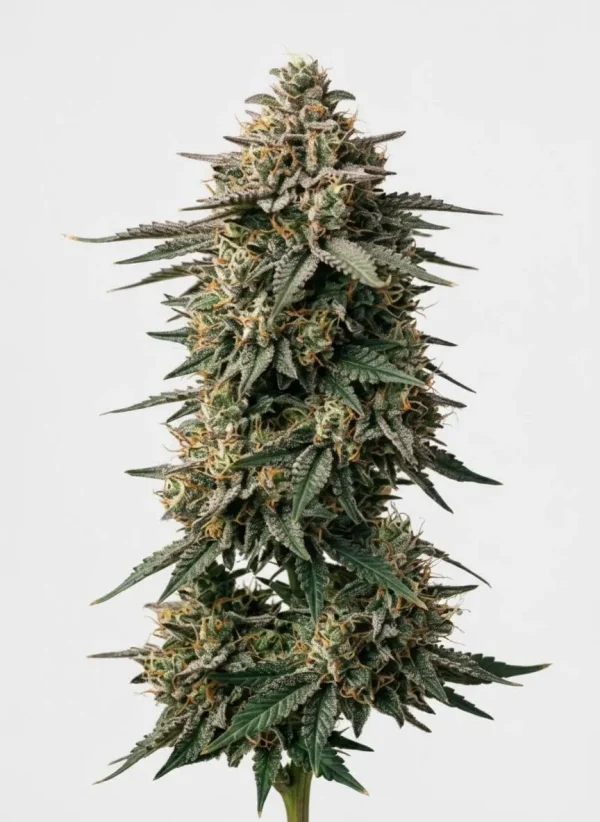
The purple is genetic, not a trick of cold weather. As buds mature, calyxes and sugar leaves shift from green to plum and nearly black, framed by orange pistils. These feminized seeds are bred to produce female plants, so each one you sprout is headed for flower.
Consumers commonly describe a soft, contented mood that settles quickly into deep physical calm. There is little mental push, which is why most people keep it for evenings. Effects tend to last two to three hours.
A mellow, smiling calm that quiets a busy mind.
Limbs feel weighted and the couch starts to look very good.
Many people report a strong pull toward sleep by the end.
This is a strongly sedating profile, so plan on staying in and start with a small amount. Commonly reported downsides include dry mouth, dry eyes and grogginess the next morning at high doses. General reports, not medical guidance.
Ripe grape and mixed berry hit first, followed by an old-school skunk funk and damp, earthy wood. Smoke is smooth and jammy with a faint pine snap on the exhale.
Builds the jammy grape base and heavy feel.
CaryophyllenePepper, woodAdds the earthy, skunky depth.
PinenePine needles, fresh resinBrings a crisp lift to the finish.
Grape aromas round out with time in the jar. Give Purple Urkle at least three to four weeks of cure at about 62% humidity before judging the flavor.
Rated moderate, and one of the more forgiving purple strains. Phenotypes are fairly uniform; the main jobs are airflow around dense buds and not overfeeding a small indica.
Purple Urkle is a short, sturdy plant with broad leaves and thick stems, so it fits neatly in a 2×4 or 3×3 ft tent. It is rated moderate mainly because its tight, resinous buds need a clean environment late in flower, not because the plant is fussy.
Indica structure means a dominant main cola and shorter side branches. Top once around the fourth or fifth node, then spread the plant with low-stress training or a SCROG net to fill the space. A round of lollipopping before the flip removes weak lower sites that would only make larf.
Small indicas burn easily. Feed at moderate strength, taper nitrogen once flowers set, and add cal-mag if you run LED. Overfeeding late can mute both the color and the grape aroma.
The purple shows on its own, but a modest drop in night temperature during the last two weeks often deepens it. Most plants finish 8 to 9 weeks after the switch to 12/12. Check trichomes: for this sleepy strain, many growers wait for 15-25% amber heads.
A typical indoor run with a short veg. Purple Urkle stays compact, so you rarely need more than four weeks of vegetative growth.
Paper towel at 75-80°F
Mild light, 65-70% RH
Top at node 4-5, then LST
8-9 weeks on 12/12
60°F, 60% RH, long jar cure
Purple Urkle was shaped in the coastal mountains of Northern California, and it still prefers mild days and cool nights. Outdoors, plants grow into wide 4 to 6 foot bushes, can produce roughly 14 to 18 ounces each in full sun, and are usually ready in early October. Set plants out after your last frost once nights stay above about 50°F.
Its early finish is a real advantage. Many photoperiod strains are still ripening when October storms roll in; Purple Urkle is often hanging to dry by then. Chilly autumn nights also pull out the darkest purple, so gardens in the interior West and the northern states can see striking color. The one weak spot is moisture: dense buds hold water after rain or heavy dew, so prune the interior and keep the plant spaced for airflow.
Plan your start date with our outdoor planting guide. Always confirm your state’s rules first, since home growing is legal for adults in some states but not others. See marijuana laws by state.
Dry falls and cool desert nights give clean, heavily colored buds by early October.
The early finish beats most high-country frosts, and cold nights push the purple hard.
It ripens before late-October cold; keep an eye on humid stretches in September.
It finishes in time, but damp autumns put its tight buds at risk of mold.
Warm, muggy nights mute the color and invite rot; grow indoors instead.
Purple Urkle is heavily indica-leaning, usually described as about 90% indica. It grows short and broad-leafed, and its effects are mostly physical and calming.
Our supplier reports THC around 18-22%, with CBD between 0.1% and 1%. That is plenty for most evening use, and actual numbers vary with phenotype, growing conditions and when you harvest.
Indoors, most plants finish 8 to 9 weeks after switching to a 12/12 light schedule. Outdoors in the US, harvest usually lands in early October.
Expect roughly 1.1 to 1.5 ounces per square foot indoors with good light and training. Outdoor plants in full sun can produce around 14 to 18 ounces each.
It is rated moderate but is one of the easier purple strains to grow. Its uniform, compact plants are forgiving; just keep humidity in check around the dense buds late in flower.
Grape and berry dominate, with a skunky, earthy undertone and a hint of pine. Myrcene, caryophyllene and pinene are the terpenes most often reported for it.
Dry regions with cool nights, such as inland California, the Southwest and Colorado, give the best color and the cleanest buds. Humid Southeast summers are a poor match outdoors, so growers there do better indoors.
No. Its color comes from its genetics, so buds turn purple even in a warm room. A modest drop in night temperature during the final two weeks can deepen the shade, but hard chilling is not needed.
Only logged in customers who have purchased this product may leave a review.
Indica-dominant hybrid
From$655-seed pack
Choose packSativa-dominant hybrid
From$655-seed pack
Choose packIndica-dominant hybrid, high-CBD line
From$655-seed pack
Choose packIndica-dominant hybrid
From$655-seed pack
Choose packYou must be 21+ to enter Best Marijuana Seeds. Please confirm your age.
By entering you agree to our Terms and Privacy Policy.
Reviews
There are no reviews yet.