Indica-dominant hybrid
Glitter Bomb Feminized Seeds
- Flowering
- 8-9 wks
- Yield
- 1.5-1.8 oz/ft²
- Grow level
- Moderate
- Euphoric
- Happy
- Relaxed
From$655-seed pack
Choose pack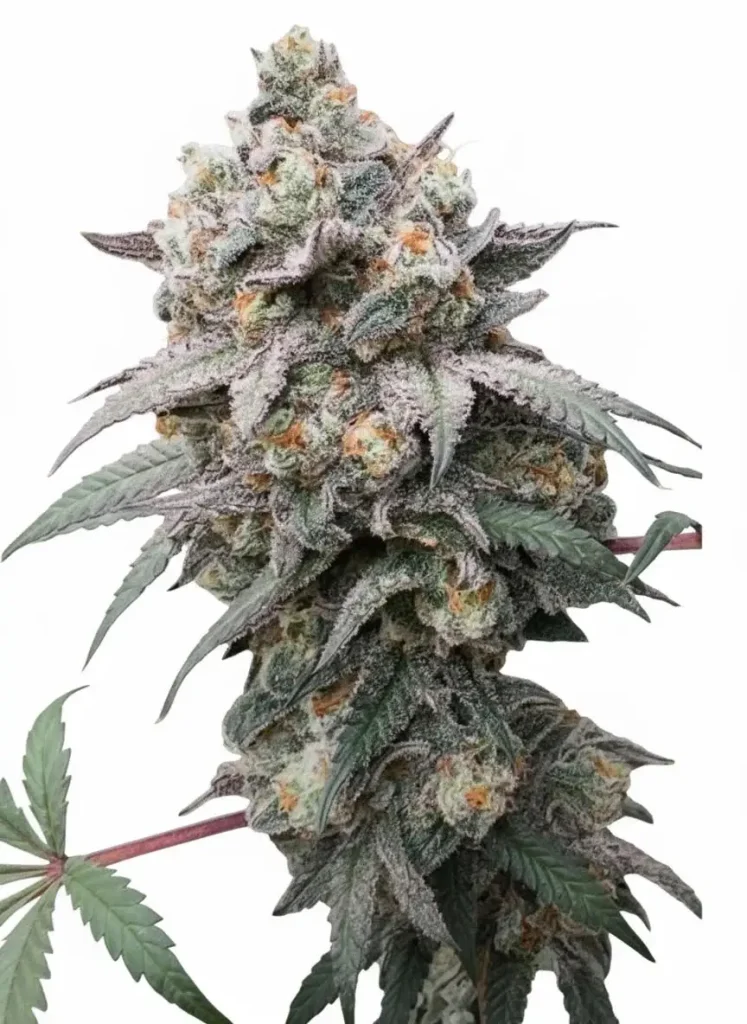
From $65.00
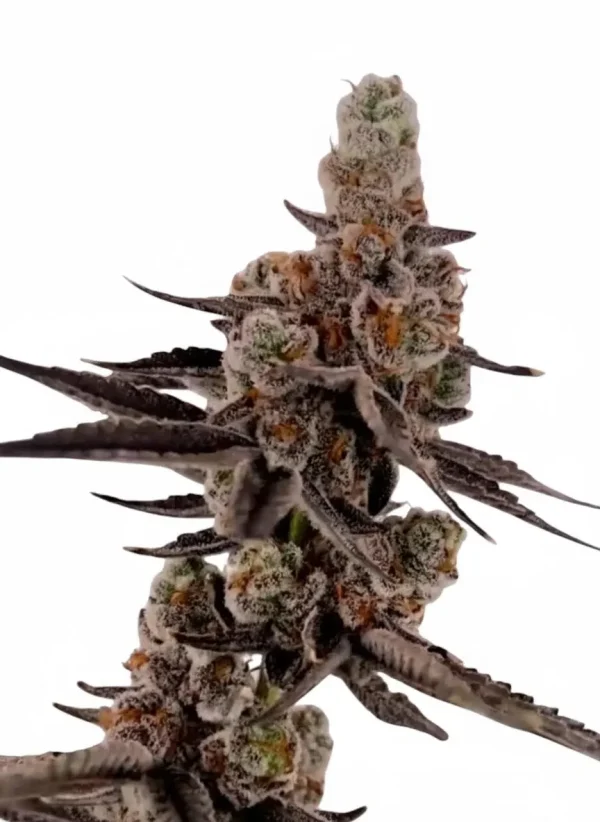
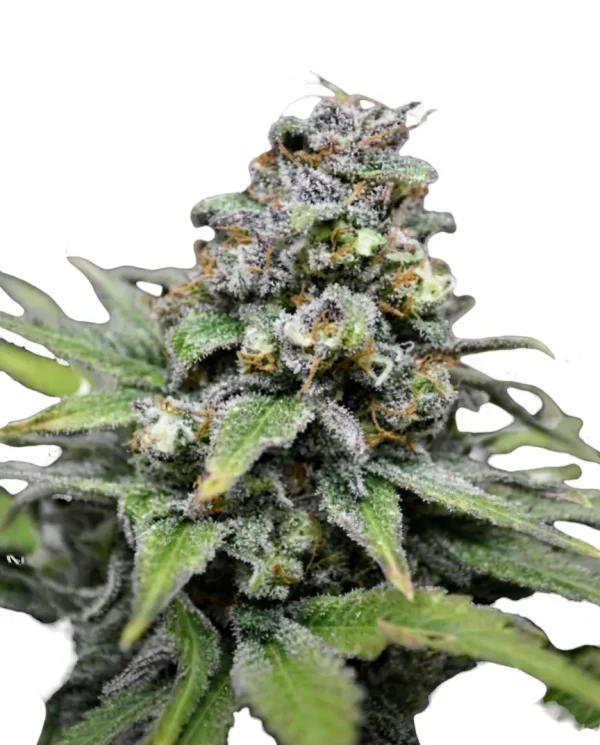
Candy, cream and fuel in a compact, colorful package. An indica-dominant cross of LA Pop Rocks and Magic Marker that finishes in 8-9 weeks.
In stock. Order before 1pm CT and it ships today.
Pop Rocks was bred in Los Angeles and brings together two lines rooted in Southern California’s modern cultivar scene. LA Pop Rocks traces its lineage through a Triangle Kush backcross combined with a fruit-forward hybrid, blending Florida Kush backbone with candy sweetness. Magic Marker is a sibling of Permanent Marker, sharing that family’s gas-and-resin character.
LA Pop Rocks contributes a candy-fruit sweetness and compact structure. Magic Marker layers diesel funk, dense trichome coverage, and a sour edge over the top. The cross sits in a sweet spot between its parents: candy on the nose, fuel underneath, and buds packed with resin. Plants stay short and bushy, usually 3 to 4 feet indoors, and the dense flowers often turn purple and pink when nighttime temperatures drop in the final weeks.
The name fits the flavor. Many growers describe a sharp, fizzy candy note that sparks across the palate, backed by cream and a diesel tail. These feminized seeds are bred to produce female plants, so every seed you start is aimed at producing flower rather than pollen.
Consumers commonly describe a quick, tingly euphoria that sparks creativity, turns giggly, and gradually settles into full-body relaxation. Effects usually last two to three hours.
A buzzy head-forward euphoria with a creative, almost playful edge.
The mood stays lifted and talkative while body tension starts to fade.
The indica side lands fully. Larger doses tend to push toward the couch and sleep.
Reported THC up to 26%: start with a small amount and wait before taking more. Commonly reported downsides include dry mouth and dry eyes, and at high doses some people report anxiety or mild dizziness. These are general consumer reports, not medical guidance.
Candy sweetness opens the nose, followed by a creamy, doughy middle and a diesel-funk finish. The smell fills a room by mid-flower, so plan on a carbon filter for indoor grows.
Drives the diesel bite underneath the sweetness.
LimoneneCitrus, candyLifts the candy-sweet top notes and brightens the nose.
MyrceneEarth, muskThe heavy, settled base typical of indica-leaning cultivars.
Dry slowly at about 60 F and 60% humidity, then jar-cure for at least two weeks. A patient cure brings out the candy-and-fuel contrast and rounds off the funky edge.
Rated moderate. Pop Rocks is compact, vigorous and straightforward, but its dense bud structure demands attention to airflow and humidity in the final weeks of flower.
Pop Rocks is built for indoor tents. It stays compact, usually 3 to 4 feet, and responds well to standard training without needing much vertical room. The dense buds reward a grower who keeps humidity under control as harvest approaches.
Aim for about 600-800 PPFD in late veg and 800-1,000 PPFD in flower under LED. Top once at the fifth node, then use low-stress training or a SCROG net to spread the canopy and expose lower bud sites. A light defoliation before the flip and again around week three of flower opens up airflow through the interior.
Feed moderately. Indica-leaning cultivars with dense bud structure tend to be sensitive to heavy nitrogen in flower. Under LED, adding cal-mag through mid-flower helps prevent the rusty leaf spotting that sometimes shows up around week five.
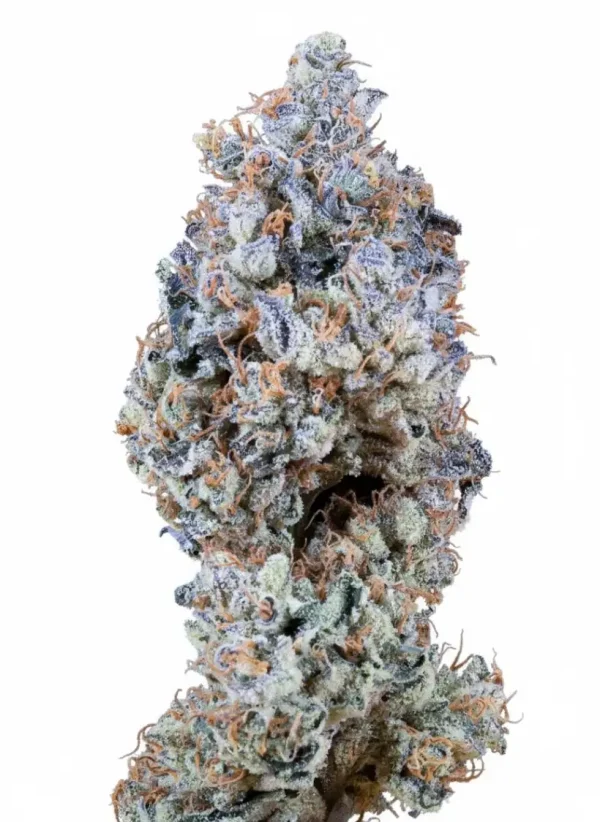
Expect two general directions from a pack of seeds. Some phenotypes lean toward the candy side: sweeter nose, more purple and pink color, and slightly rounder buds. Others lean toward the fuel side: funkier, frostier, and denser. Both finish in the same 8-9 week window.
Most plants finish 8 to 9 weeks after the switch to 12/12. Judge ripeness by trichome color rather than the calendar: mostly cloudy heads lean brighter and more creative, while 10-20% amber shifts the effect toward deeper relaxation and sleep.
A typical indoor run. Veg length is flexible; flowering is set by the genetics.
Paper towel at 75-80 F
Gentle light, 65-70% RH
Top at node 5, start LST
8-9 weeks after the flip
60 F, 60% RH, then jars
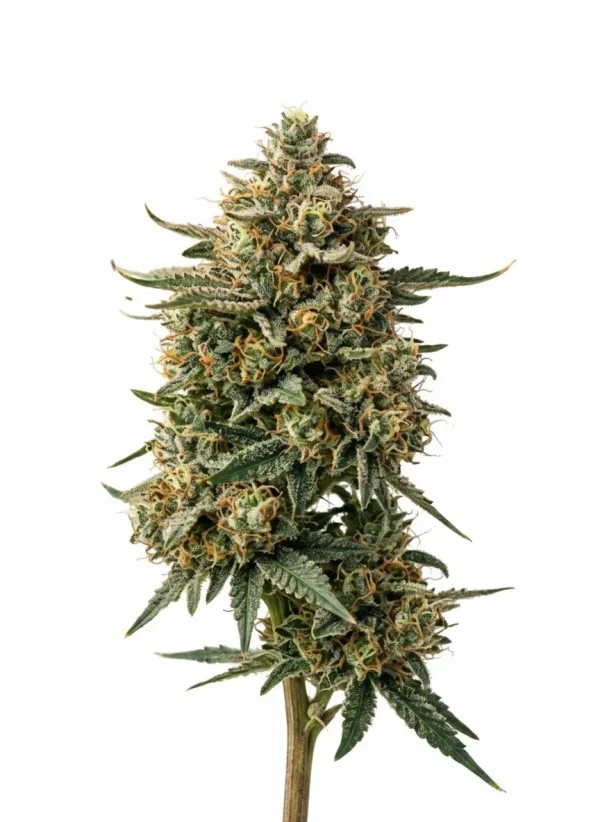
Outdoors, Pop Rocks typically reaches 4 to 6 feet with full sun and finishes in early October at most US latitudes. Plant out after your last spring frost, once nighttime temperatures hold above about 50 F. The compact structure inherited from its indica side means it does not need as much staking or support as taller sativa-leaning varieties.
The main outdoor risk is moisture at the finish line. Pop Rocks builds dense, tightly packed colas that can trap water, so autumn rain or heavy morning dew in the last few weeks may invite mold. In areas with wet falls, thin the canopy for airflow, consider a rain cover or hoop house for the final stretch, and do not hesitate to harvest on the early side if a rainy week is in the forecast. Cool, dry nights in the final two weeks will bring out the purple and pink tones the strain is known for. Our outdoor planting guide has region-by-region timing.
Always check your local regulations before planting. Home cultivation laws differ from state to state, and plant count limits vary. See marijuana laws by state for a current overview.
Long, dry autumns give dense colas plenty of time to ripen with almost no mold pressure.
Dry air helps; harvest early if an October frost threatens at elevation.
Plant on schedule and plan to harvest before cold, wet weeks set in.
Humid late summers push bud rot risk higher. Thin the canopy and monitor closely.
Heat is fine but persistent humidity stresses dense buds. Prioritize airflow.
Pop Rocks is an indica-dominant hybrid. It grows compact and bushy, usually staying under 4 feet indoors, and its effects start with an upbeat, creative head rush before settling into full-body relaxation.
Our supplier reports THC around 22-26%. Lab results vary by phenotype, grow conditions and harvest timing, so treat that range as a typical ceiling rather than a guarantee. It is potent but not among the most extreme THC numbers in our catalog.
Most plants finish in 8 to 9 weeks after switching to a 12/12 light schedule indoors. Outdoors in the US, expect to harvest in early October depending on your latitude and local weather.
Candy sweetness comes first, followed by a creamy, doughy middle and a diesel-funk finish. The nose is loud by mid-flower. Caryophyllene, limonene and myrcene are the terpenes most commonly reported for this strain.
It is rated moderate. The plant itself is compact and forgiving, but its dense colas benefit from good airflow and late-flower humidity held around 40-45% to prevent bud rot. A grower comfortable with basic environment control will do well.
Indoors, a well-managed setup can produce about 1.3 to 1.6 ounces per square foot. Outdoors in full sun, healthy plants can produce roughly 16 to 19 ounces each. Results depend on training, light and overall environment.
It performs best in areas with long, dry autumns, like inland California and the Southwest. Dry interior valleys in Colorado and Utah also work well. In the humid Southeast or Northeast, extra attention to airflow and canopy management is needed to protect its dense buds.
Growers commonly report two directions. Some plants lean sweeter with more candy on the nose and stronger purple-pink coloring. Others lean funkier and frostier, with a heavier diesel accent and denser trichome coverage. Both finish in the same 8-9 week window.
Only logged in customers who have purchased this product may leave a review.
Indica-dominant hybrid
From$655-seed pack
Choose packBalanced hybrid
From$655-seed pack
Choose packIndica-dominant hybrid
From$655-seed pack
Choose packIndica-dominant hybrid, high-CBD line
From$655-seed pack
Choose packYou must be 21+ to enter Best Marijuana Seeds. Please confirm your age.
By entering you agree to our Terms and Privacy Policy.
Reviews
There are no reviews yet.