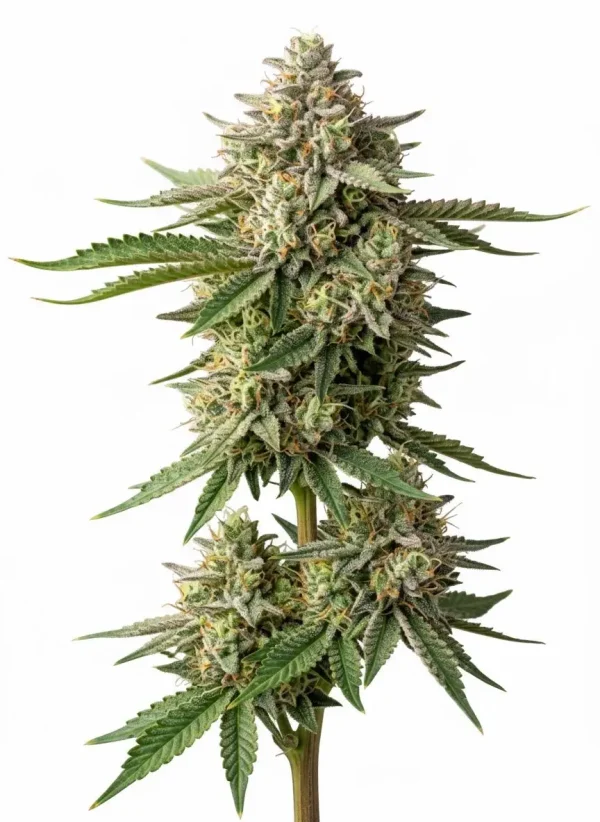
Balanced hybrid
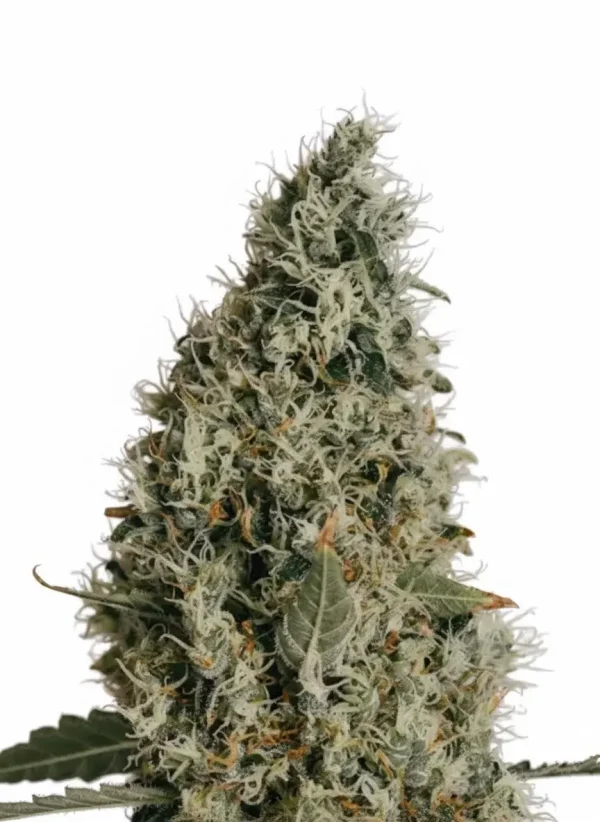
Cereal Milk Feminized Seeds
Indica 50%Sativa 50%
- Flowering
- 8-10 wks
- Yield
- 1.5-1.6 oz/ft²
- Grow level
- Moderate
- Creative
- Euphoric
- Relaxed
From$655-seed pack
Choose pack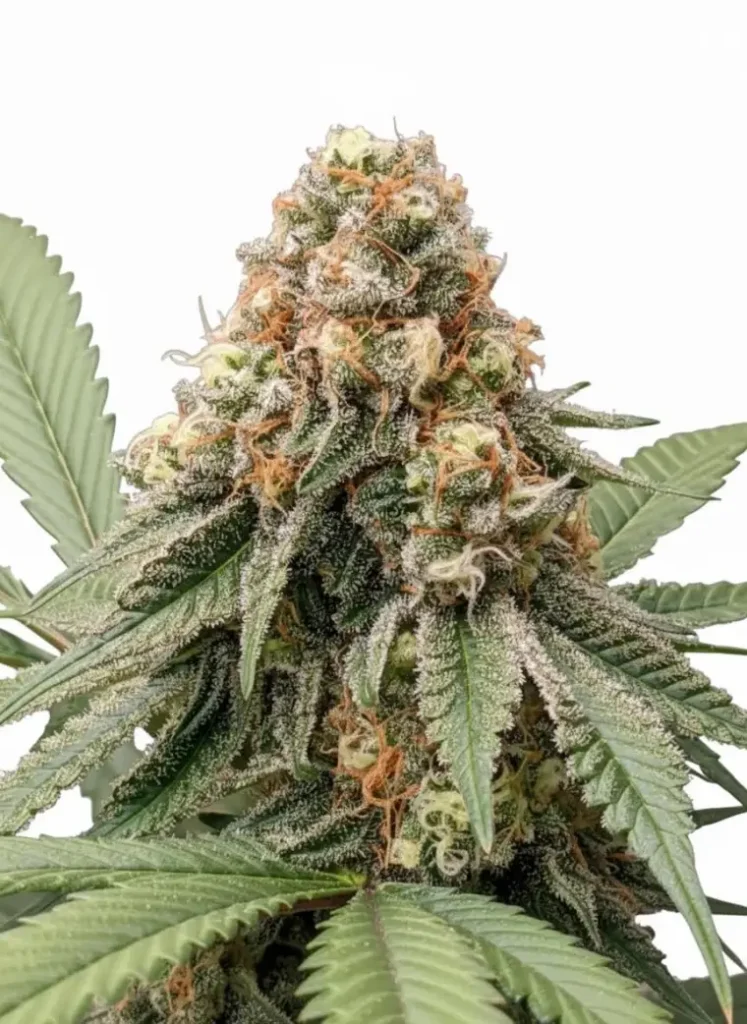
From $65.00
Ripe pineapple, citrus and a cedar backbone. A sativa-dominant autoflower ready 9-10 weeks from seed, built for short seasons, balconies and back-to-back runs.
In stock. Order before 1pm CT and it ships today.
Pineapple Express takes its name from the 2008 stoner comedy film of the same title, which made the name famous well beyond grow rooms. The strain itself earns the title with a loud, tropical fruit aroma that is hard to miss once a jar is open.
The genetics pair Trainwreck, which brings sativa vigor and a sharp edge, with a Hawaiian line that adds sweet island fruit. This autoflower version adds ruderalis, which makes the plant flower by age instead of day length. It lands at about 60-70% sativa, stays compact and is ready 9 to 10 weeks from seed indoors.
That speed is what sets this version apart. A photoperiod plant needs a long season and a fall finish, while an autoflower can go in the ground in late spring, come down in summer and be replanted. It is a natural fit for short northern seasons, apartment balconies and growers who want more than one harvest a year.
Consumers commonly describe an energetic, happy lift that keeps the mind busy and social, with a light, relaxed body underneath. It is usually reported as an upbeat strain that leans toward daytime use.
A fast boost in mood that often gets people talking and laughing.
Ideas come easily, and music, cooking or hobbies feel more engaging.
A relaxed, contented tail that rarely tips into sleepiness.
At 18-20% reported THC, a little goes a long way for newer consumers. Commonly reported downsides include dry mouth and dry eyes, and some people report a racy or anxious feeling at high doses. General reports, not medical guidance.
Fresh-cut pineapple and sweet citrus up front, with a dry, woody cedar note underneath that keeps it from tasting like candy. The fruit gets louder in the final weeks, so a carbon filter is worth it indoors.
Adds the cedar-like backbone under the fruit.
LimoneneCitrus, sweet fruitDrives the bright pineapple and citrus top.
PinenePine, fresh resinSharpens the finish with a clean, woody snap.
Fruit-forward terpenes fade fast in a warm, quick dry. Dry at about 60°F and 60% humidity, then jar-cure for at least two weeks.
Rated easy. It is a fast, compact plant that shrugs off small mistakes, as long as it starts in its final container and the light schedule stays steady from sprout to harvest.
Pineapple Express Auto is a good match for a first grow or a small space. Indoors it usually stays 2 to 4 feet, which fits a 2×2 or 3×3 ft tent, and it is ready 9 to 10 weeks from seed. With good light it can produce roughly 1.3 to 1.6 ounces per square foot.
Plant the germinated seed straight into its final 3 to 5 gallon pot. Autos have no spare time to recover from transplant shock, and a stunted seedling stays small. Use low-stress training only in weeks 2 to 4, tying the main stem down to open the canopy, then let it grow. Skip topping and heavy defoliation.
Start with a light, airy mix and feed at reduced strength. Raise it slowly once flowers form if the lower leaves begin to pale. Overfeeding is the most common way to stall a small autoflower.
Start checking trichomes with a loupe from about week 8. Mostly cloudy heads keep the effect bright and energetic; waiting for a few amber heads gives a slightly mellower finish.
A typical indoor run on 18/6 or 20/4. Autoflowers set their own timing, so most plants are ready 9 to 10 weeks after sprouting with no veg length to plan.
Sprout, then straight into the final pot
Low, gentle light, 65-70% RH
Tie down with LST, weeks 2-4
Begins on its own, lights unchanged
Slow dry, then jar cure
This is where the autoflower format pays off. Pineapple Express Auto is ready about 10 to 12 weeks after sprouting regardless of day length, so it finishes in summer instead of racing fall weather. Plants usually reach 3 to 5 feet outdoors and can produce roughly 2 to 7 ounces each, depending on sun, pot size and how strong the start is.
In short-season states like Minnesota, Maine or the Colorado high country, one well-timed run planted in late May or June can finish before the first frost. Where summers are long, plant again as soon as you harvest for a second or even third crop. Its compact frame is also easy to keep in pots on a balcony, deck or rooftop where a 6-foot photoperiod plant would never fit. Our outdoor planting guide has planting windows by USDA zone.
Look up your state’s home-grow rules and plant limits before you plant; they change a lot from state to state.
Warm, dry weather suits its Hawaiian side, with room for spring, summer and early fall runs.
Intense sun and low humidity help; cool mountain nights can slow early growth.
A June planting finishes by late summer, well ahead of cold, wet autumn weather.
Short summers are no problem; plant after the last frost and harvest before September rain.
Heat-tolerant and quick, though midsummer humidity means spacing pots for airflow.
It is a sativa-dominant hybrid, usually described as about 60-70% sativa, with ruderalis added for autoflowering. Expect an upbeat, energetic effect from a plant that stays compact.
Our supplier reports THC around 18-20% and CBD between 0.1% and 1%. Final potency depends on phenotype, light and harvest timing, so treat the range as typical rather than guaranteed.
Indoors, most plants are ready 9 to 10 weeks from seed on an 18/6 or 20/4 schedule, with no flip. Outdoors, plan on a harvest about 10 to 12 weeks after sprouting.
Indoors, a strong setup can produce roughly 1.3 to 1.6 ounces per square foot. Outdoors, plants can produce roughly 2 to 7 ounces each, with the top of that range coming from full sun, larger pots and a stress-free start.
Yes. It is rated easy, stays small and needs no light schedule change. The two habits that matter most are planting straight into the final pot and feeding lightly.
Sweet pineapple and citrus lead, with a tropical fruit middle and a dry cedar finish. Caryophyllene, limonene and pinene are the terpenes most often reported.
Yes, that is one of its strengths. It finishes 10 to 12 weeks after sprouting, so a late May or June planting can come down before fall frost in most northern states, and longer seasons allow more than one run. Check your state's home-grow rules first.
The name comes from the 2008 stoner comedy film Pineapple Express, which made it widely known. The strain lives up to it with a pineapple-forward aroma drawn from its Trainwreck and Hawaiian parents.
Only logged in customers who have purchased this product may leave a review.
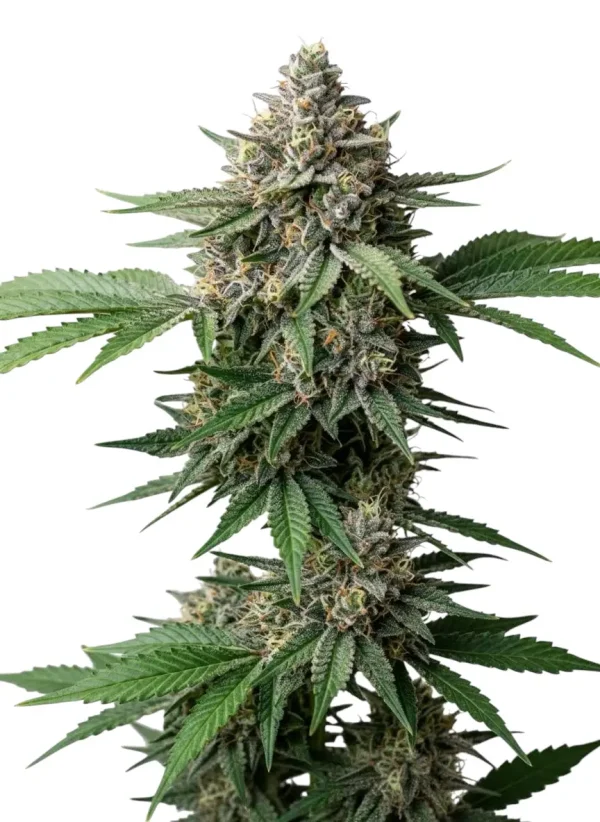
Balanced hybrid
From$655-seed pack
Choose packSativa-dominant hybrid
From$655-seed pack
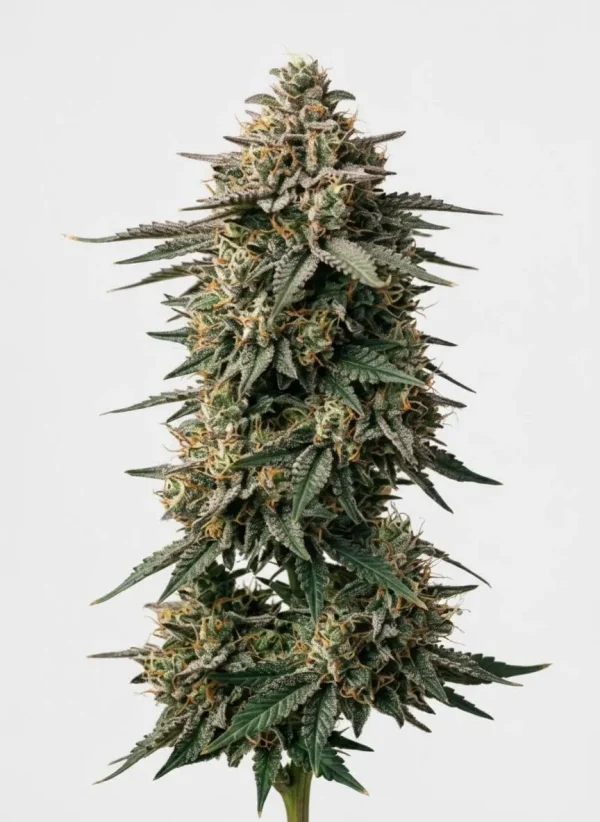
Choose packIndica-dominant hybrid
From$655-seed pack
Choose packIndica-dominant hybrid
From$655-seed pack
Choose packYou must be 21+ to enter Best Marijuana Seeds. Please confirm your age.
By entering you agree to our Terms and Privacy Policy.
Reviews
There are no reviews yet.