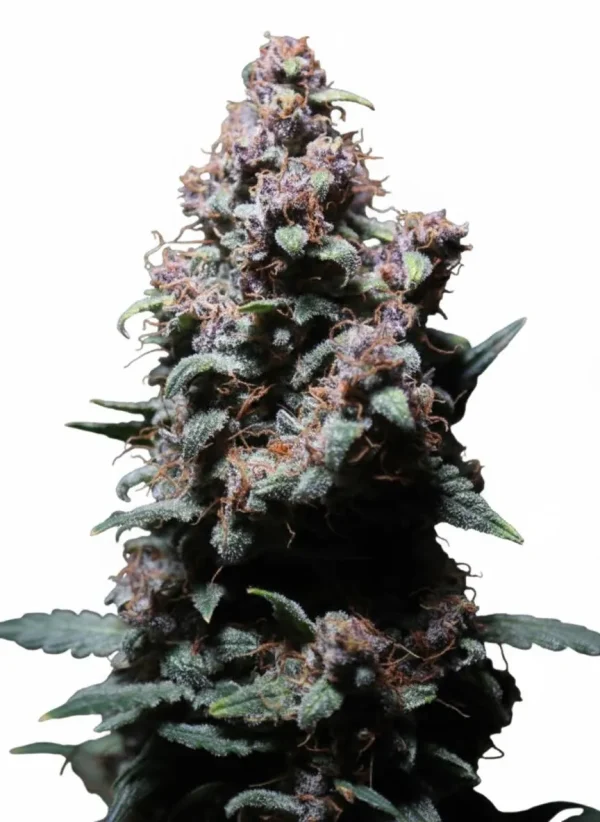
Indica-dominant hybrid
Permanent Marker Feminized Seeds
Indica 70%Sativa 30%
- Flowering
- 8-9 wks
- Yield
- 1.5-1.8 oz/ft²
- Grow level
- Intermediate
- Euphoric
- Giggly
- Relaxed
From$655-seed pack
Choose pack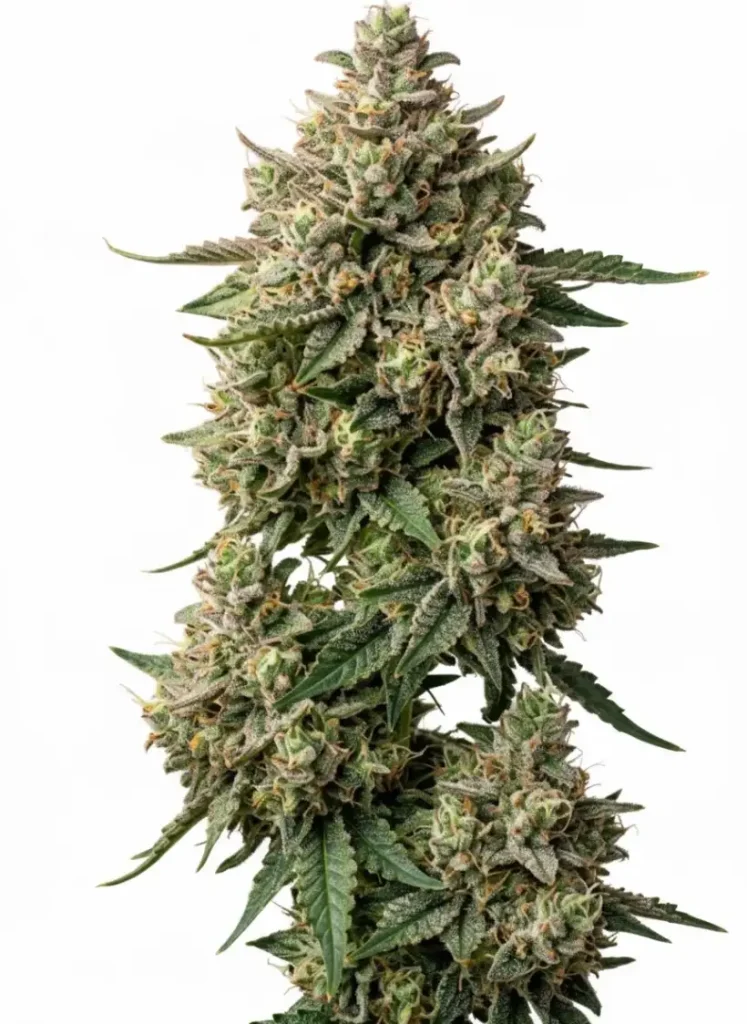
From $65.00
Green apple, warm dough and a sweet, bakery finish. A balanced Sour Apple x Animal Cookies hybrid with reported 22-28% THC and big, frosty colas.
In stock. Order before 1pm CT and it ships today.
Apple Fritter was bred on the US West Coast and earned a reputation as a dessert strain that grows like a workhorse. The name says it all: crisp apple on top of a sweet, fried-dough base, much like the bakery treat it is named after.
The parents explain both halves of that profile. Sour Apple, a fruit-forward descendant of the Diesel family, brings the tart green-apple zing along with vigor and sturdy branching. Animal Cookies, a potent cookie-line cross, contributes the doughy sweetness, dense bud structure and much of the potency. Together they produce a plant that sits right in the middle of the indica and sativa spectrum.
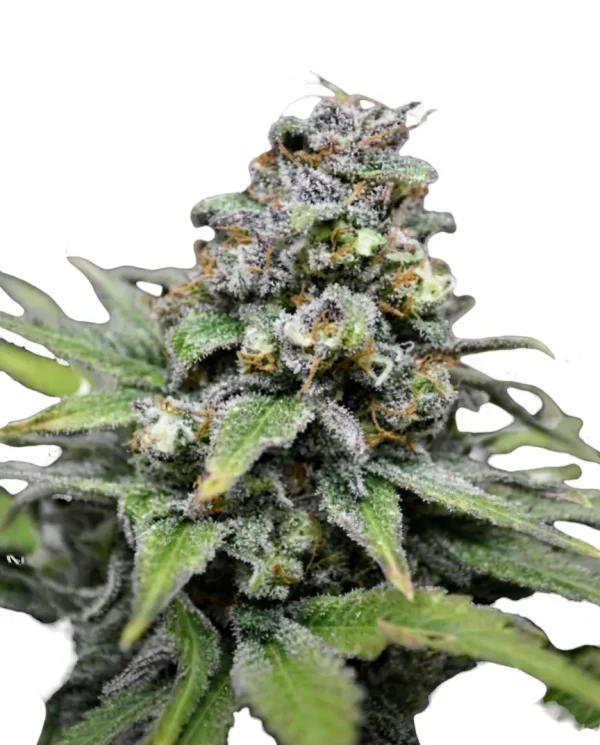
Expect medium-sized plants with evenly spaced branches and fat, chunky buds in deep green, often flushed with purple and buried in frost. These feminized seeds are bred to produce female plants, and phenotypes stay fairly uniform around the apple-pastry signature.
Consumers commonly describe an easygoing, giggly start that settles into warm, full-body relaxation. The balance makes it feel social first and mellow later, over roughly two to three hours.
A quick, cheerful euphoria that makes music and conversation more fun.
A heavier relaxation spreads through the body while the mood stays bright.
Most reports describe a settled, satisfied finish that suits a late session.
With reported THC up to 28%, a little goes a long way. Commonly reported downsides include dry mouth and dry eyes, and at high doses some people report anxiety or dizziness. General reports, not medical guidance.
Tart green apple opens the nose, then a warm, buttery dough note comes through with a sugary glaze and an earthy, slightly piney base. It gets strong in the last weeks of flower, so keep a carbon filter on the exhaust.
Gives the pastry its warm, spiced backbone.
LimoneneCitrus, tart fruitSharpens the crisp green-apple top note.
PinenePine, fresh woodAdds the earthy, slightly woody base.
Hang whole branches to dry slowly at around 60°F and 60% humidity, then cure in jars for three weeks or more. The doughy notes get richer with a longer cure.
Rated moderate. It is sturdy and productive; the work is keeping air moving through its thick colas and holding humidity low near harvest.
Apple Fritter is a strong fit for a 3×3 or 4×4 ft tent, finishing at about 3 to 5 feet indoors with only a modest stretch. It is rated moderate: the branches are sturdy and the plant tolerates a solid feed, but its fat colas punish stale, humid air.
Run about 850-1,000 PPFD in flower under LED to fill the buds out. Top once, then use low-stress training to spread six to eight main tops across the tent. Lollipopping the lower third of the plant before week three of bloom sends energy to the tops and improves airflow under the canopy.
This hybrid handles a medium-heavy feed. Increase phosphorus and potassium once bloom starts and add cal-mag under LED lighting. Back off if leaf tips start to brown.
Most plants ripen 8 to 9 weeks after the flip. Use a loupe to read the trichomes: mostly cloudy heads keep the giggly side up front, while around 15% amber tilts the effect toward deeper body relaxation.
A typical indoor run with a four-week veg. Bloom length is fixed by the genetics, so plan around the 8-9 week finish.
Moist paper towel, 75-80°F
Low light, 65-70% RH
Top once, begin LST
8-9 weeks from 12/12
Slow dry, then jar cure
Outdoors, Apple Fritter wants plenty of sun and a fall that stays mostly dry. Plants usually reach 5 to 6 feet and finish in early to mid October across much of the country, and a healthy plant in full sun can be very productive. Transplant after the last spring frost, when nights reliably stay above 50°F.
Thick, resin-heavy buds are both the reward and the risk. A run of autumn rain or heavy morning dew can start mold inside the colas, so prune lower branches for airflow, space plants generously and keep a tarp or hoop cover ready for wet weeks. Our harvest, dry and cure guide covers what to do when weather forces an early chop.
Before planting, confirm your state’s rules. Adult home cultivation is allowed in some states and not in others, and limits vary. See marijuana laws by state.
Warm, dry Octobers let its chunky colas ripen with little mold risk.
Low humidity suits it; plant promptly so harvest beats high-country frost.
It usually finishes in time, but have a cover ready for fall storms.
Damp autumn weather is hard on dense buds, so prune hard for airflow.
Persistent humidity and late-season rain make indoor growing the safer choice.
Apple Fritter is a balanced hybrid that sits close to the middle of the spectrum. Commonly reported effects start cheerful and giggly, then settle into body relaxation, so it carries traits from both sides.
Our supplier reports THC of 22-28%, which places it firmly in high-THC territory. Potency varies by phenotype, environment and harvest timing, so newer consumers should start with a very small amount.
Indoors, most plants finish 8 to 9 weeks after the switch to 12/12. Outdoor plants in the US are usually ready in early to mid October, depending on latitude and weather.
A well-trained indoor canopy can produce about 1.5 to 1.8 ounces per square foot. Outdoors, plants in full sun can reach roughly 18 to 23 ounces each with good care.
It is rated moderate. The plant is sturdy and does not stretch much, which helps, but beginners need to watch humidity closely because its dense colas are prone to mold late in flower.
It smells like a fresh apple pastry: tart green apple, warm dough and a sugary glaze, with an earthy, woody base. Caryophyllene, limonene and pinene are the terpenes most often linked to it.
Inland California and the Southwest are ideal thanks to their warm, dry autumns. The Colorado Front Range and Midwest also work well, while the humid Southeast and Gulf Coast are better suited to indoor grows.
Some phenotypes carry pigments that show when late-flower nights run cooler than days. A modest night-time drop in the last couple of weeks often brings out a purple blush across the buds and sugar leaves.
Only logged in customers who have purchased this product may leave a review.
Indica-dominant hybrid
From$655-seed pack
Choose packIndica-dominant hybrid
From$655-seed pack
Choose packBalanced hybrid, slightly sativa-leaning
From$655-seed pack
Choose packIndica-dominant hybrid, high-CBD line
From$655-seed pack
Choose packYou must be 21+ to enter Best Marijuana Seeds. Please confirm your age.
By entering you agree to our Terms and Privacy Policy.
Reviews
There are no reviews yet.